



inVal Industrial Valves: Stainless Steel Gate Valve Solution for Chemicals
In modern manufacturing plants, especially in the chemical, textile dyeing, or wastewater treatment industries, pipeline systems always face harsh challenges. Industrial valves are not merely open/close devices, but are "shields" protecting the safety of the entire operating process.
This article will introduce the VinVal brand in detail and deeply analyze common chemicals to help you choose the most suitable valve used for chemicals, especially the stainless steel gate valve line.
I. Introduction to the VinVal Brand
In the current industrial equipment market, VinVal has asserted its position as one of the reputable flow control solution providers.
The core strength of VinVal lies in material quality and precision in mechanical machining. VinVal products are designed to meet strict international standards such as JIS, DIN, ANSI. This ensures that every valve, when installed in the system, operates smoothly, minimizing leakage risks – a "vital" factor when operating toxic chemical systems.
VinVal's product range is very diverse, from butterfly valves, ball valves to stainless steel gate valves, serving many segments from domestic clean water to concentrated acid environments.
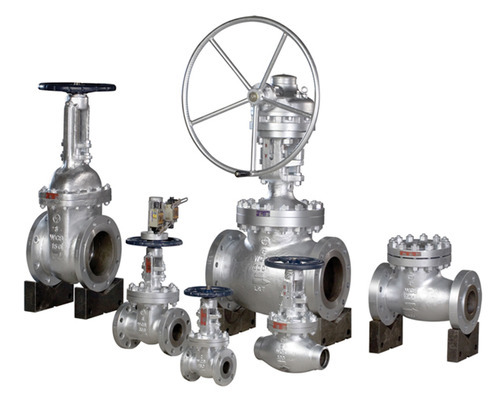
II. Common Chemicals Used in Industry and Their Impact
To choose the right valve used for chemicals, first, we need to clearly understand the "opponent" the valve must face. Not every valve can withstand every type of chemical. Below is the classification of common chemical groups and their impacts:
-
Acid Group
Strong inorganic acids such as Sulfuric Acid ($H_2SO_4$), Hydrochloric Acid ($HCl$), or Nitric Acid ($HNO_3$) are often used in metal pickling, fertilizer production, or water treatment.
-
Impact: Extremely fast metal corrosion. Cast iron or steel valves will often "evaporate" or rust severely after a short time of contact.
-
Solution: Must use Inox 304, 316, or high-grade plastics (UPVC, CPVC).
-
Alkali Group (Bases)
Typically Caustic Soda ($NaOH$), often used in paper, soap, and wastewater treatment industries.
-
Impact: Although less corrosive to metals than acids, they easily cause crystallization or damage common rubber sealing gaskets.
-
Solution: Pay attention to gasket material (should use Teflon/PTFE) alongside the stainless steel body.
-
Organic Solvents
Including gasoline, oil, alcohol, acetone...
-
Impact: Can cause swelling and deformation of rubber gaskets, leading to leakage.
III. VinVal Stainless Steel Gate Valve: The Optimal Solution for Chemicals
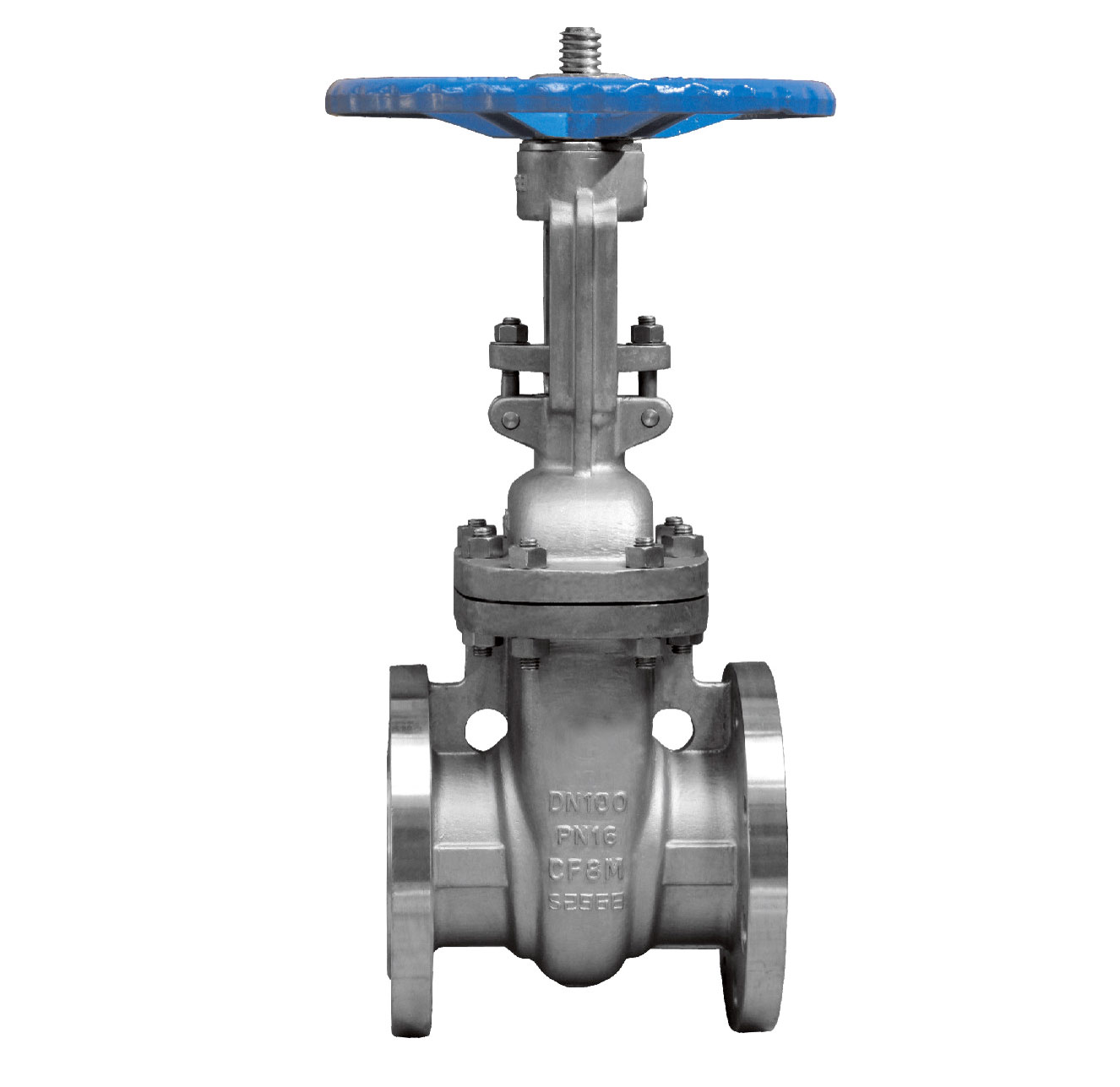
Among VinVal's product lines, the stainless steel gate valve is considered a "shining star" when applied in chemical environments.
Why choose VinVal Stainless Steel Gate Valve?
-
High-Grade Stainless Steel Material: VinVal uses solid cast Inox 304 (CF8) or Inox 316 (CF8M). Inox 316 contains Molybdenum which helps increase resistance to pitting and crevice corrosion in chloride (salt) and acid environments.
-
Optimized Flow Design: When fully open, the gate valve does not obstruct the flow, helping to maintain stable pressure and flow rate, avoiding chemical stagnation that causes sediment buildup at the valve.
-
PTFE Sealing Gasket: Unlike common rubber, VinVal equips PTFE (Teflon) gaskets capable of being inert to most chemicals and withstanding high temperatures.
If your system transports dilute acids, industrial wastewater, or corrosive solutions, VinVal's stainless steel gate valve is an economic and sustainable investment instead of constantly replacing cast iron valves.
IV. Notes When Installing and Operating Chemical Valves
Even if you own a good valve like VinVal, improper operation can still cause disaster.
-
Check Compatibility: Always cross-check chemical concentration and temperature with the valve's technical specifications.
-
Periodic Cleaning: For chemicals prone to crystallization, a regular pipeline flushing process is needed to prevent valve disc jamming.
-
Occupational Safety: When replacing or maintaining valves on chemical pipelines, it is mandatory to depressurize and wear full protective gear.
V. Frequently Asked Questions (FAQ)
-
Can VinVal stainless steel gate valves be used for hot concentrated acid?
For hot concentrated acids, even Inox 316 can be corroded. In this case, you should refer to VinVal's Lined Valve lines or more specialized materials like Inox 904L.
-
What is the difference between Inox 304 and 316 in industrial valves?
Inox 316 adds Molybdenum content (about 2-3%), helping it resist corrosion better than Inox 304, especially in marine environments (salt) and acidic chemicals. The cost of Inox 316 is also higher.
-
Can gate valves be used to regulate chemical flow?
No. Gate valves are designed for full Open/Close purposes (On/Off). If used for throttling (partially open), the valve disc will be quickly eroded by the chemical flow, causing valve failure. Globe Valves should be used for regulation.
-
Where to buy genuine VinVal valves?
You can directly contact authorized distributors or reputable industrial equipment agents to ensure buying genuine VinVal goods with a full warranty policy.
Related News
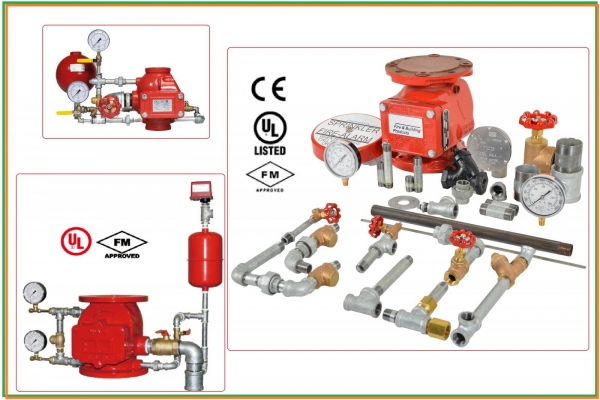
Professional Fire Protection Valve & Equipment Solutions – Leading Global Brands
24/03/2026
In any fire protection system, firefighting valves and water control equipment play a critical role in rapid response, system control, and the protection of life and property. Selecting products from world-leading brands that comply with international standards such as UL, FM, EN, and ISO ensures operational reliability, safety, and long-term performance.
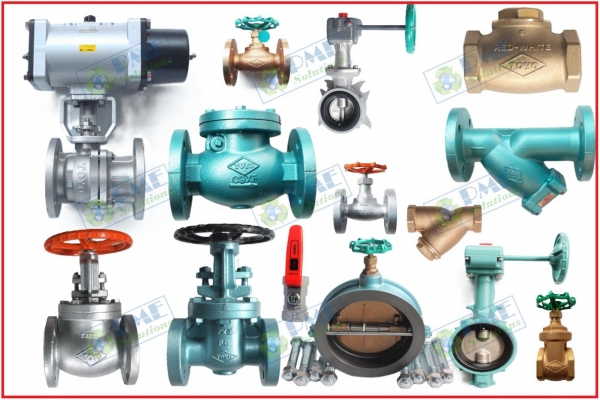
Toyo Valve Japan – Official Genuine Valves 2026 | Latest Price List
01/04/2026
Get the latest 2026 prices for genuine Toyo Valve Japan. Wide range of industrial Toyo valves, full CO & CQ, competitive prices. Contact us for professional guidance.
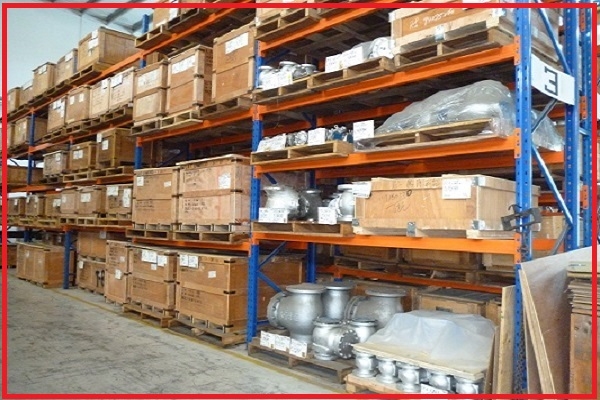
Industrial Valves
30/03/2026
Learn about industrial valves, types, applications, and latest prices. Contact Phuc Minh for high-quality valves and expert support.
Yuanda Valve Price – Genuine Industrial Valves | PM-E.vn
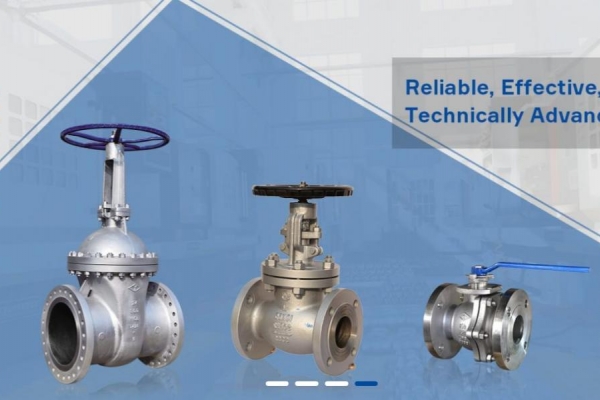
31/03/2026
Get detailed Yuanda valve quotes in Vietnam from PM-E.vn. We provide a wide range of industrial valves: gate, globe, ball, butterfly, Y-strainer, and couplings. Large stock, fast delivery, competitive prices, complete CO/CQ. Contact 0907450506 – 0902720814.
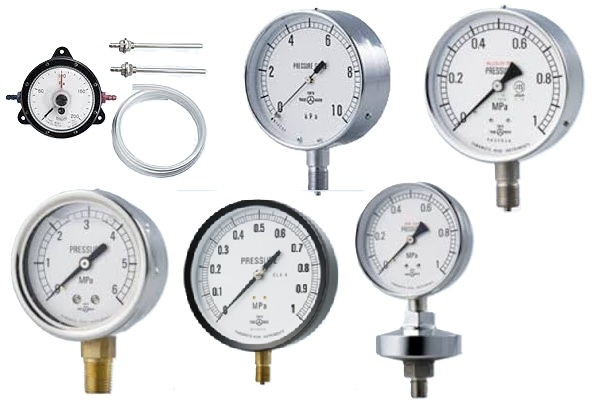
Quick Quote: Yamamoto Keiki – Genuine Japanese Pressure & Temperature Gauges for Industry
31/03/2026
Discover Yamamoto Keiki pressure gauges, thermometers, and pressure control devices – 100% made in Japan, highly accurate and durable, widely used in boilers, oil & gas, chemical, food & pharmaceutical, power plants, and HVAC systems.








Vertical Multistage Pump
Contact


AWN Dredger Pump
Contact

AMG Sand Gravel Pump
Contact

AnPump Horizontal Slurry Pump
Contact
About us

PHUC MINH ENGINEERING CO., LTD
Head Office: 92/38, No.12 St, Quarter 18, Binh Hung Hoa Ward, Ho Chi Minh City, Vietnam.
Tax Code: 0314405007
Tel: +842835352125
Fax: +842835350254
Email: info@pm-e.vn
Website: www.pm-e.vn
Quang Ngai Branch:
Address: 123/4 Vo Thi Sau, Chanh Lo, Quang Ngai, 840255, Vietnam
- Policies and regulations
- Payments
- Shipping and forwarding
- Warranty Policy
- Complaint handling process
- Exchanges and refunds
- Privacy Policy
Return Policy
Social network

.png)








Copyright © 20017 Copyright by Phuc Minh Technology Co., Ltd