



Leser Safety Valves


Price: Contact
Learn about LESER Type 811 and Type 821 Pilot Operated Safety Valves, including their advantages, technical specifications, standards, and applications in the oil and gas, chemical, and LNG industries. Contact PME for expert consultation.
LESER Pilot Operated Safety Valves – High-Performance Pressure Protection Solutions for Industrial Plants
LESER Pilot Operated Safety Valves (POSVs) are overpressure protection solutions designed for industrial systems requiring high tightness, high discharge capacity, and reliable operation. With its High Efficiency Type 811 and Type 821 series, LESER offers solutions for the oil and gas, chemical, petrochemical, power generation, LNG, LPG, and other industrial sectors.
Phuc Minh Engineering Co., Ltd. (PME) introduces LESER safety valve products to help customers understand their technical characteristics, select suitable equipment, and meet the pressure protection requirements of their systems.
1. What Is a LESER Pilot Operated Safety Valve?
A pilot operated safety valve is a type of safety valve that uses a pilot valve to control the opening and closing of the main valve according to the system pressure.
Compared with conventional spring-loaded direct-acting safety valves, pilot operated safety valves can offer several advantages in suitable applications, particularly where high tightness near the set pressure, high operating pressure, or precise pressure relief control is required.
LESER High Efficiency safety valve series are designed to address the following key requirements:
-
High discharge capacity: Helps protect equipment and systems when overpressure occurs.
-
High tightness: Helps minimize process fluid leakage under normal operating conditions.
-
Operation close to set pressure: Certain configurations allow operation at up to 96–97% of the set pressure, depending on the product series and application conditions.
-
Backpressure capability: The pilot control design helps reduce the influence of backpressure on the set pressure under manufacturer-approved operating conditions.
-
Reduced process fluid losses: Helps minimize media loss when the system operates close to the set pressure.
-
Enhanced operational reliability: Can be equipped with accessories and technical solutions to meet specific system requirements.
Valve selection must be based on the design pressure, set pressure, temperature, process fluid, backpressure, and required relieving capacity.
2. Key Advantages of LESER Pilot Operated Safety Valves
2.1. High Tightness and Reduced Process Fluid Leakage
LESER pilot operated safety valves are designed to maintain tightness at operating pressures close to the set pressure, within the permitted limits of each model.
This characteristic is particularly beneficial for systems handling industrial gases, natural gas, LPG, and other high-value process media. It helps minimize product losses and reduce emissions during operation.
2.2. Operation Close to the Set Pressure
Depending on the product series and application conditions, the valves can meet operating requirements at up to approximately 96–97% of the set pressure.
This capability helps optimize the system's operating pressure range while maintaining the intended overpressure protection function.
2.3. Backpressure Capability
Pilot operated safety valves are designed to reduce the influence of backpressure on main valve operation under specified conditions.
Certain configurations can accommodate backpressure of up to 70% of the set pressure. The actual allowable value depends on the model, discharge piping configuration, and specific operating conditions.
2.4. Reduced Product Losses and Emissions
LESER High Efficiency safety valve series are designed to minimize unnecessary opening duration and reduce process fluid losses under suitable operating conditions.
This is an important consideration for petrochemical plants, industrial gas facilities, LNG installations, and systems requiring stringent emission control.
2.5. Inspection and Maintenance Support
Depending on the configuration, the pilot control system may allow functional testing or adjustment of certain parameters during operation, in accordance with the manufacturer's procedures and instructions.
Optional accessories can also enhance reliability, facilitate maintenance, and address the operational requirements of individual plants.
3. LESER Pilot Operated Safety Valve Series
3.1. LESER High Efficiency Type 811 – Pop Action
LESER Type 811 is a pilot operated safety valve featuring a pop-action opening mechanism. It is suitable for applications requiring rapid pressure relief when the system reaches the set pressure.
The non-flowing pilot design helps minimize process fluid flow through the pilot valve during operation, contributing to reduced emissions and extended service life of the control components.
According to the product design, the set pressure is unaffected by backpressure within the operating conditions approved by the manufacturer.
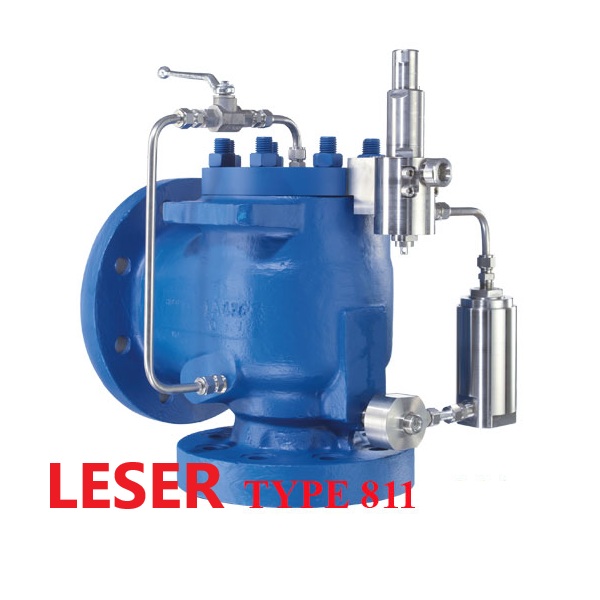
Key Technical Specifications:
-
Set pressure range: 2.5–63 barg (36–914 psig), subject to pressure conversion and the applicable configuration.
-
Nominal size: DN 25–DN 200 (1–8 inches).
-
Connections: Manufacturer-selected inlet and outlet configurations, including API orifice options and full-bore configurations, depending on the model.
-
Blowdown: Adjustable within approximately 3–7%, depending on the configuration.
-
Pilot valve material: Stainless steel configurations are available.
-
Sealing materials: Soft seals or metal-to-metal seating, depending on the configuration.
-
Standards and approvals: Configurations are available to meet ASME Section VIII, DIN EN ISO 4126, and AD 2000-Merkblatt requirements, subject to the certification scope of each model.
Typical Applications:
LESER Type 811 can be considered for industrial gas, oil and gas, chemical, and other process systems requiring rapid opening when an overpressure condition occurs.
3.2. LESER High Efficiency Type 821 – Modulating Action
LESER Type 821 is a pilot operated safety valve featuring a modulating-action mechanism. The valve adjusts its opening in response to the system's overpressure, allowing the relieving capacity to respond to actual demand rather than always opening fully as soon as the set pressure is reached.
This design can help minimize product losses, reduce emissions, and lower noise levels in suitable applications.
Depending on the design and system safety requirements, the pilot control system can be configured to vent into the outlet of the main valve.
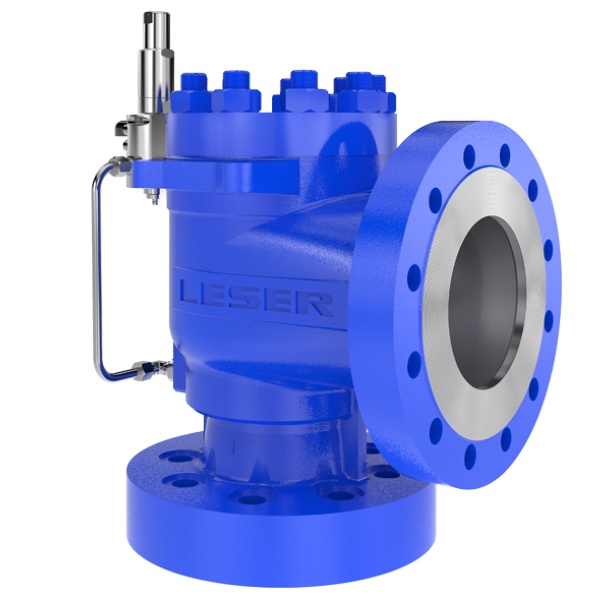
Key Technical Specifications:
-
Set pressure range: 2.5–63 barg (36–914 psig), subject to pressure conversion and the applicable configuration.
-
Nominal size: DN 25–DN 200 (1–8 inches).
-
Connections: Configurations available according to the applicable standards and manufacturer's options.
-
Blowdown: Typically up to approximately 7%, depending on operating conditions.
-
Pilot valve material: Stainless steel configurations are available.
-
Sealing materials: Soft seals or metal-to-metal seating, depending on the configuration.
-
Standards and approvals: Configurations are available to meet ASME Section VIII, DIN EN ISO 4126, and AD 2000-Merkblatt requirements, subject to the certification scope of each model.
Typical Applications:
Type 821 can be considered for systems requiring controlled pressure relief, reduced process fluid losses, and stable operation under varying pressure conditions.
3.3. Supporting Equipment and Accessories
In addition to Type 811 and Type 821, the related product range includes Type 702, Type 712, Type 714, and Type 731, which belong to supplementary loading systems or auxiliary solutions, depending on the configuration.
Accessory selection must be based on the main valve model, control requirements, pressure conditions, and the manufacturer's technical instructions.
4. Technical Specifications of LESER Pilot Operated Safety Valves
The following table summarizes reference specifications for the LESER pilot operated safety valve product range. Actual specifications must be confirmed according to the selected model, materials, size, and ordering configuration.
| Parameter | Reference Range |
|---|---|
| Valve type | Pilot Operated Safety Valve (POSV) |
| Nominal inlet size | DN 25–DN 200 (1–8 inches) |
| Actual orifice diameter, d₀ | 11–180 mm |
| Actual orifice area, A₀ | 95–25,446.9 mm² |
| Product range pressure range | 2.5–426 bar, depending on the model |
| Reference temperature range | -48°C to +200°C, depending on the configuration |
| Valve body materials | Carbon steel and stainless steel in available material grades |
| Reference materials | 1.0619, 1.4408; SA-216 WCB, SA-352 LCB, SA-351 CF8M |
| Flange connections | DIN EN 1092, ASME B16.5, or JIS B2220, depending on the model |
| Operating mechanism | Pilot-operated |
Note: The pressure range of 2.5–426 bar represents the combined range across the product portfolio and does not apply to every model. For example, Type 811 and Type 821 have their own specified set pressure ranges as described above.
Suitability for low-temperature, high-temperature, or high-pressure service must be confirmed against the manufacturer's official technical documentation for the specific material and valve configuration.
5. Standards and Certifications for LESER Safety Valves
Safety valves are critical protective devices in pressurized systems. Product selection must be based on the design, manufacturing, testing, and certification standards applicable to the project.
LESER safety valve series are available in configurations designed, manufactured, and approved in accordance with relevant standards, including:
-
ASME Section VIII: Requirements relating to pressure vessels.
-
DIN EN ISO 4126: A series of standards covering safety devices for protection against excessive pressure.
-
AD 2000-Merkblatt: Technical rules relating to the design and manufacture of pressure equipment.
The scope of certification depends on the product series, size, materials, and specific configuration. When preparing technical submittals or tender documents, customers should request supporting documentation confirming compliance for the exact model being offered.
6. Applications of LESER Pilot Operated Safety Valves
With their overpressure protection capabilities and various configuration options, LESER safety valves can be considered for a wide range of industrial applications.
Chemical Industry
Protects reactors, pipelines, and chemical storage systems against overpressure, with material selection based on the corrosive properties of the process fluid.
Oil and Gas and Petrochemical Industries
Used in oil and gas processing systems, process pipelines, pressure vessels, and other equipment requiring reliable pressure relief solutions.
Power Generation
Applied in process systems and pressure equipment at power plants, subject to the process medium and operating conditions.
Industrial Gases
Helps protect systems handling compressed air, technical gases, and other industrial gases, subject to material compatibility and valve configuration.
LNG and LPG
Safety valves are used in liquefied natural gas (LNG), liquefied petroleum gas (LPG), and related process systems when the pressure, temperature, and material requirements are satisfied.
For cryogenic LNG applications, the suitability of the complete valve assembly and all sealing components must be verified against the design temperature. Standard configurations should not automatically be assumed suitable for LNG temperatures.
Other Industrial Applications
In addition to the sectors listed above, pilot operated safety valves may be considered for other industrial applications when the relevant technical requirements and safety standards are met.
7. Application Case Study: LESER Safety Valves in an LNG Plant
Technical Challenge
Natural gas liquefaction requires the process system to operate at extremely low temperatures, approximately -161°C to -164°C under the process conditions described in this case study.
At these temperatures, plant equipment must be designed to operate reliably and meet stringent safety requirements. Safety valves play an important role in protecting the system when pressure exceeds the permitted limits.
Key challenges include:
-
Maintaining equipment reliability under extremely low-temperature conditions.
-
Ensuring the required pressure-relieving capacity.
-
Selecting suitable materials and sealing configurations.
-
Meeting quality, delivery schedule, and supplier reliability requirements.
LESER Solution
According to the case study information provided, LESER supplied a total of 288 safety valves for an LNG application, comprising:
-
6 Type 811 valves.
-
47 Type 459 valves.
-
235 Type 526 valves.
The solution was intended to meet the plant's requirements for efficient operation, compact design, and compliance with the technical conditions of a natural gas liquefaction facility.
Benefits of the Solution
Selecting valve designs suitable for the operating conditions helps the plant meet its overpressure protection requirements, maintain equipment reliability, and support long-term maintenance.
The case study also highlights the importance of choosing a manufacturer with a broad product portfolio, the ability to meet technical requirements, and the capacity to deliver equipment on schedule.
Note: The valve quantities and LNG application details above are based on the supplied case study information. The relevant official LESER documentation should be checked before using these details as a project reference.
8. How to Select the Right LESER Pilot Operated Safety Valve
Selecting the correct safety valve for an industrial system requires a complete set of application data. Choosing a valve based solely on pipeline size or nominal pressure may result in an unsuitable protective device.
The following information should be prepared:
-
Process fluid: Gas, steam, liquid, LNG, LPG, or a specific chemical.
-
Operating pressure: The normal working pressure of the system.
-
Set pressure: The pressure at which the valve must begin performing its protective function, as defined by the design requirements.
-
Design pressure: The design pressure limit of the equipment and piping being protected.
-
Operating temperature: Normal, minimum, and maximum temperatures.
-
Required relieving capacity: The basis for determining the valve's required discharge capacity.
-
Backpressure: The pressure at the valve outlet, including the relevant backpressure components considered in the system design.
-
Size and connection standards: DN/NPS, flange pressure class, and applicable standards.
-
Materials: Selected according to chemical properties, temperature, and compatibility with the process fluid.
-
Standards and certifications: Requirements specified by the project, end user, and applicable regulations.
Once all the required information has been collected, it must be checked against the manufacturer's technical documentation to determine the appropriate model, orifice area, materials, control configuration, and required certifications.
9. Purchasing LESER Safety Valves and Industrial Equipment from Phuc Minh Engineering
Phuc Minh Engineering Co., Ltd. (PME) provides solutions and technical support for industrial valves, tank safety equipment, control valves, piping systems, and industrial accessories.
For LESER safety valve requirements, customers can contact PME to discuss technical specifications, provide system operating data, and identify suitable product configurations for their applications.
PME supports customers with:
-
Model selection based on operating parameters and project requirements.
-
Technical documentation review and verification of applicable standards.
-
Consultation on materials, sizes, connections, and valve configurations.
-
Quotation preparation and technical submittals.
-
Guidance on factory documentation, certificates, and quality inspection requirements within the scope of supply.
Contact Phuc Minh Engineering
-
Website: https://pm-e.vn
-
Email: info@pm-e.vn
-
Phone: +84 28 3535 2125
Contact PME for assistance in selecting a safety valve solution that meets your plant's technical requirements and operating conditions.
Keywords: LESER safety valves, LESER pilot operated safety valves, pilot operated safety valve (POSV), LESER Type 811 safety valve, LESER Type 821 safety valve, industrial pressure relief valves, safety valves for oil and gas plants, safety valves for LNG systems, industrial pressure protection valves.
Related projects
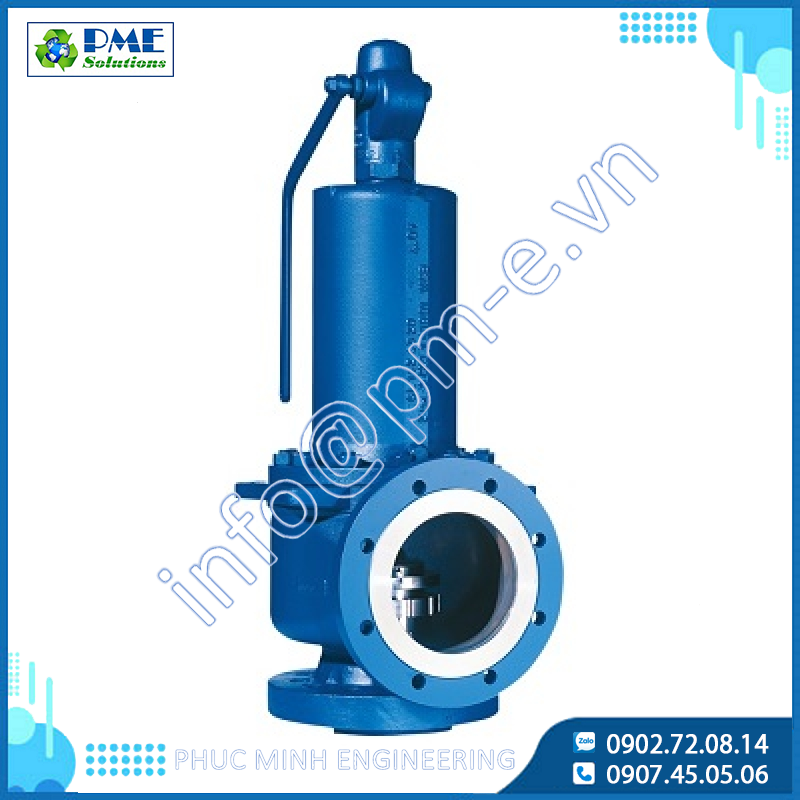
API526 Safety Relief Valves LESER
Price: Contact
Model: API526
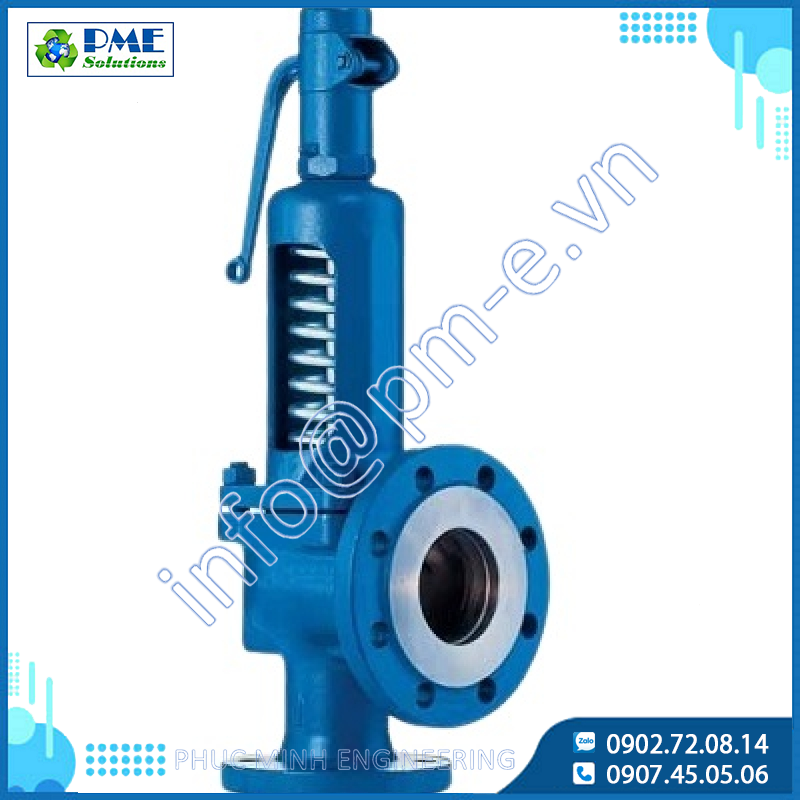
High Performance - Safety Relief Valves Leser
Price: Contact
Model: High Performance
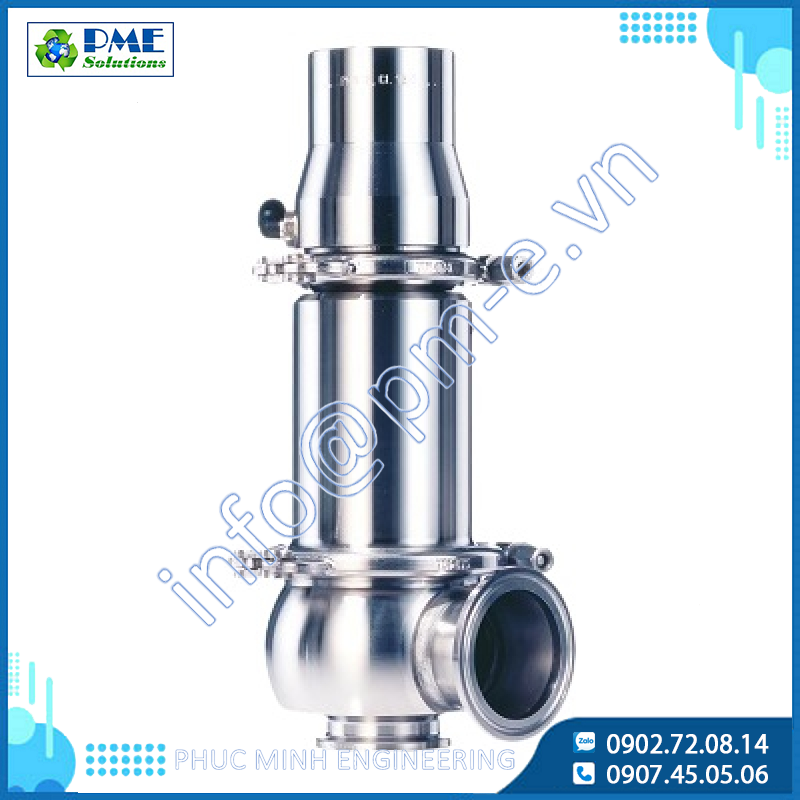
Clean Service Safety Relief Valves Leser
Price: Contact
Model: Clean Service
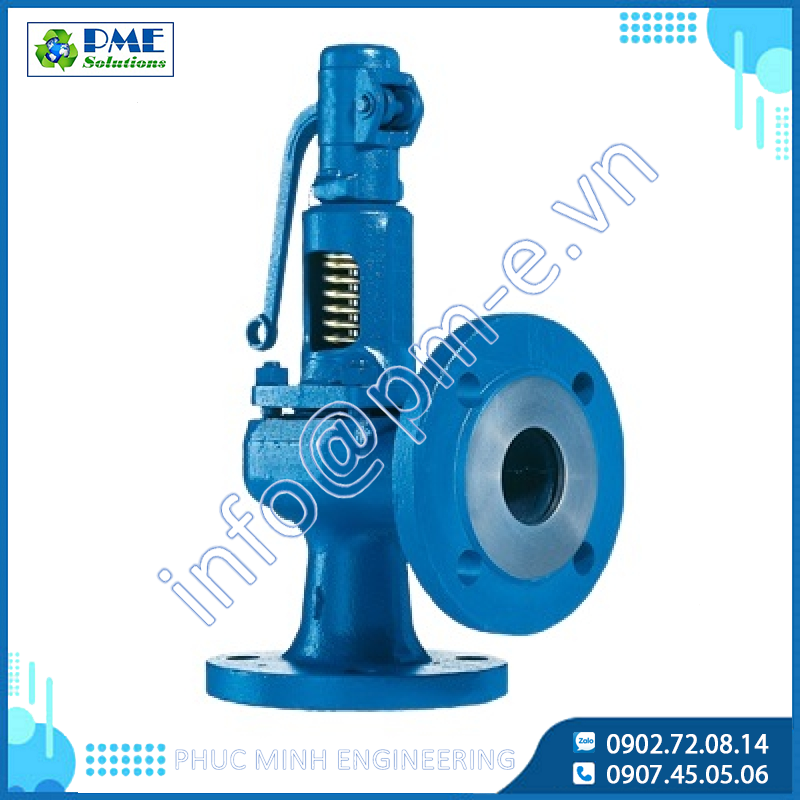
Modulate Action - Safety Relief Valves Leser
Price: Contact
Model: Modulate Action
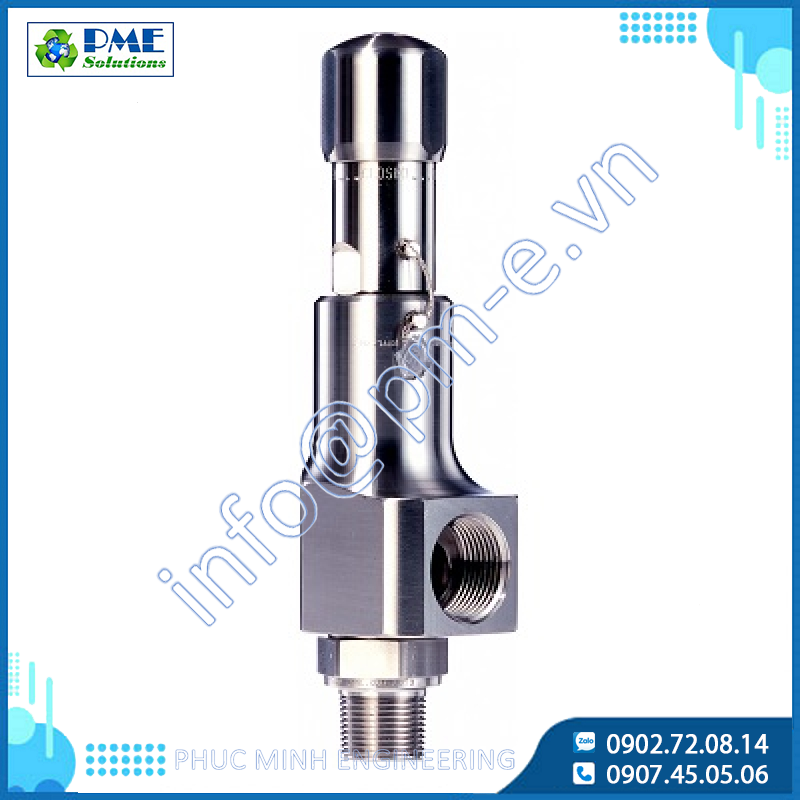
Compact Performance - Safety Relief Valves Leser
Price: Contact
Model: Compact Performance
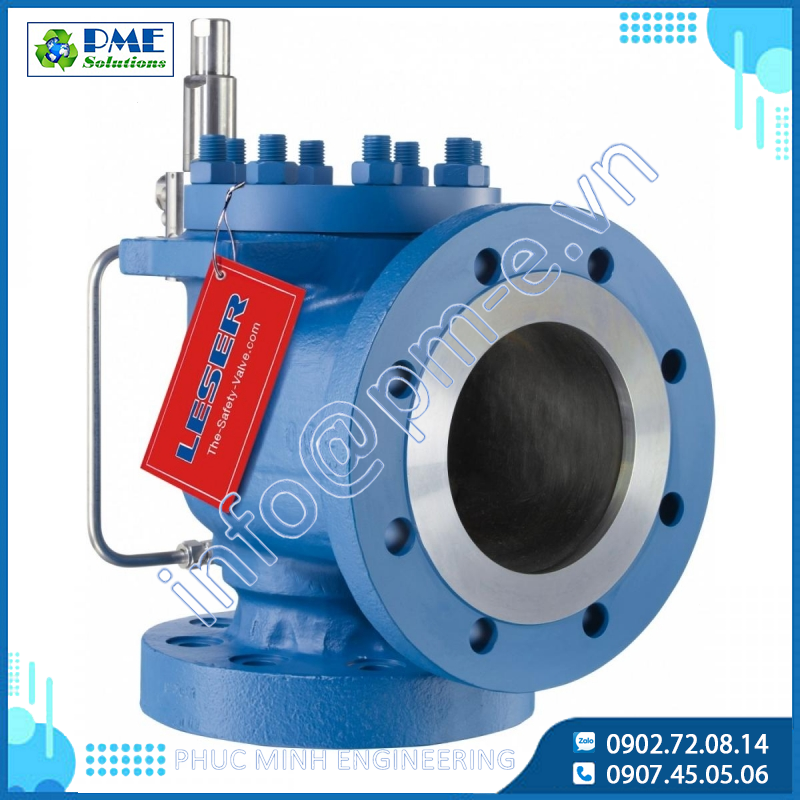
Type 811/821 - Pilot operated safety valves Leser
Price: Contact
Model: Type 811/821











About us

PHUC MINH ENGINEERING CO., LTD
Head Office: 92/38, No.12 St, Quarter 18, Binh Hung Hoa Ward, Ho Chi Minh City, Vietnam.
Tax Code: 0314405007
Tel: +842835352125
Fax: +842835350254
Email: info@pm-e.vn
Website: www.pm-e.vn
Quang Ngai Branch:
Address: 123/4 Vo Thi Sau, Chanh Lo, Quang Ngai, 840255, Vietnam
- Policies and regulations
- Payments
- Shipping and forwarding
- Warranty Policy
- Complaint handling process
- Exchanges and refunds
- Privacy Policy
Return Policy
Social network

.png)








Copyright © 20017 Copyright by Phuc Minh Technology Co., Ltd