



What Is a Breather Valve?
Structure, Function, and Operating Principle
-
What Is a Breather Valve?
A breather valve, also known as a pressure-vacuum relief valve (PVRV), is a safety device that protects storage tanks from explosion or collapse caused by pressure differences. It is typically installed on top of storage tanks for fuels, chemicals, LPG, or gases..jpg)
KSBB -
Structure of a Breather Valve
A breather valve consists of the following main components:
-
Valve Body: Made from steel, stainless steel, aluminum, or cast iron, designed to withstand pressure and harsh environments.
-
Valve Cap: May include or exclude a flame arrester.
-
Spring or Weighted Disc: Regulates the valve’s opening pressure.
-
Sealing Gasket: Ensures gas or vapor only escapes when the set pressure is reached.
-
Flame Arrester (Optional): Prevents flames from entering the storage tank.
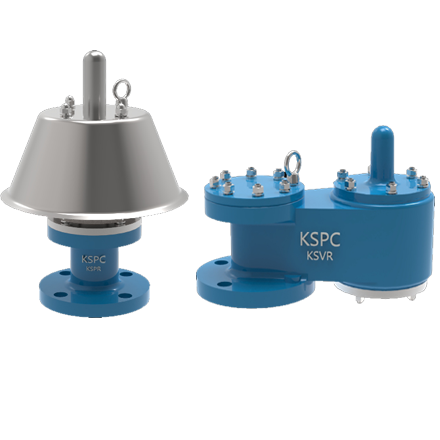
KSPR KSVR
-
Functions of a Breather Valve
-
Releasing Excess Pressure: When internal tank pressure exceeds the set threshold, the valve opens to release gas, preventing tank explosion.
-
Drawing Air into the Tank: When internal pressure drops below safe levels, the valve opens to let air in, preventing tank collapse due to vacuum.
-
Preventing Solvent Vapor Loss: Protects the environment and reduces fuel loss.
-
Integrated Flame Arrester: Safeguards tanks from fire or explosion caused by sparks or sudden pressure surges.
-
Operating Principle of a Breather Valve
The breather valve operates based on the pressure differential between the inside of the tank and the external environment:
-
When internal pressure exceeds the set point: The force on the valve disc surpasses the spring force, causing the valve to open and release gas. When pressure returns to a safe level, the valve automatically closes.
-
When internal pressure drops (vacuum forms): External atmospheric pressure is higher than inside the tank, causing the valve to open and allow air in. Once pressure is balanced, the valve closes.
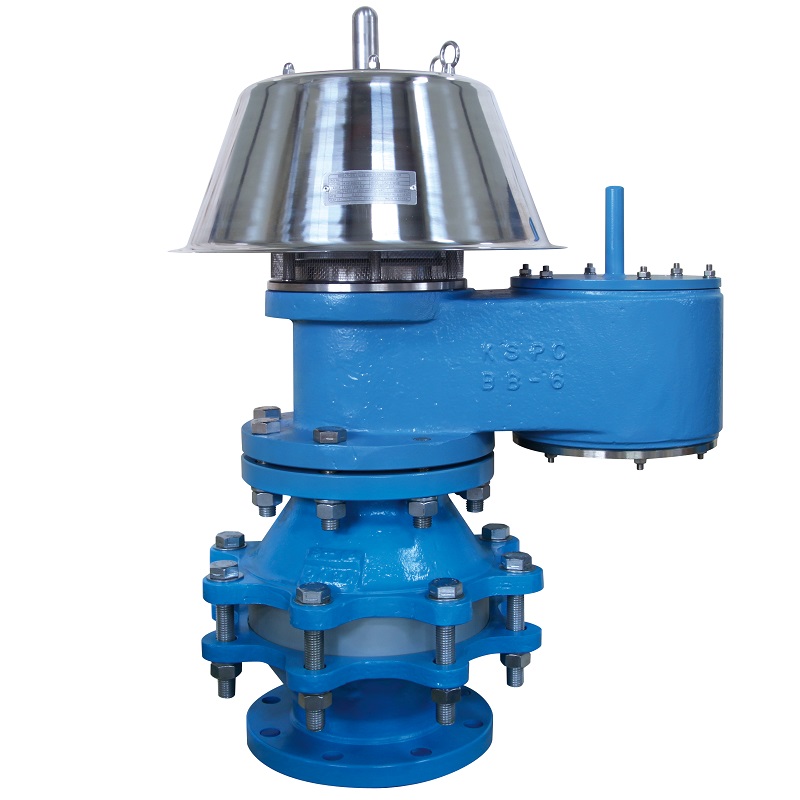
KSBBFI
-
Types of Breather Valves
-
Pressure-Vacuum Relief Valve: The most common type, protecting tanks from both overpressure and vacuum.
-
One-Way Breather Valve: Allows airflow in only one direction, either in or out.
-
Breather Valve with Flame Arrester: Used in flammable or explosive environments.
-
Emergency Breather Valve: Activates during sudden overpressure incidents.
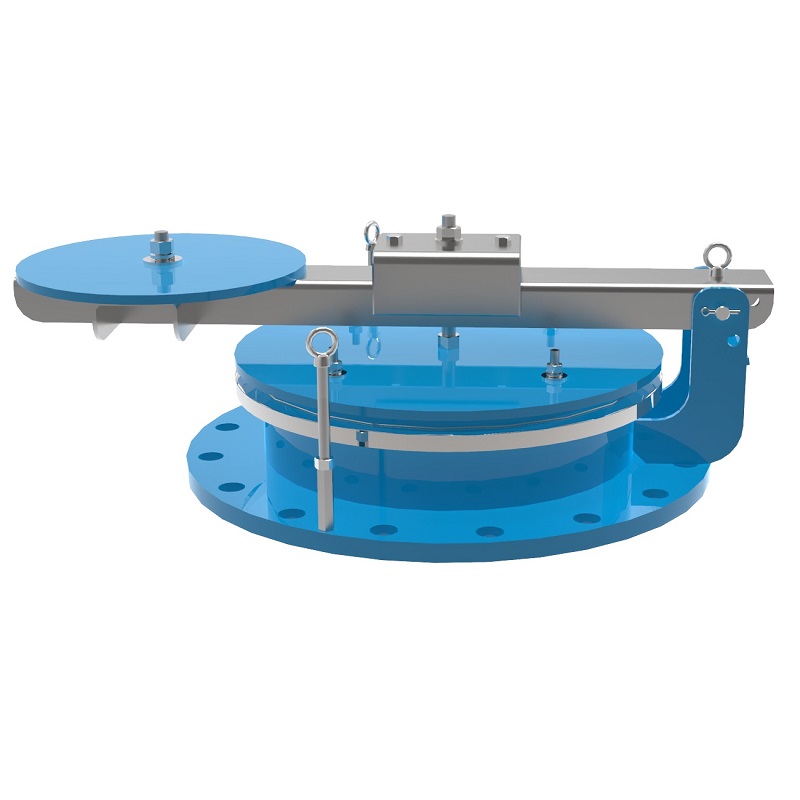
KSEPK
-
Applications of Breather Valves
-
Oil and Gas Industry: Installed on fuel, oil, LPG storage tanks to control pressure.
-
Chemical Industry: Protects chemical storage tanks from volatile substance loss.
-
Food and Pharmaceutical Industry: Controls vapor and protects storage environments.
-
Compressed Air and Gas Storage: Ensures safety in high-pressure systems.
Breather valves are essential devices that maintain safe pressure levels in liquid or gas storage systems, preventing explosion risks and fuel loss.
Contact: PHUC MINH TECHNICAL CO., LTD. for reliable, high-quality industrial valve solutions.
Email: duong@pm-e.vn
Cellphone/Zalo: +84 902 499 190
Address: 92/38, Street No.12, KP18, Binh Hung Hoa Ward, Binh Tan District, Ho Chi Minh City, Vietnam.
Related News
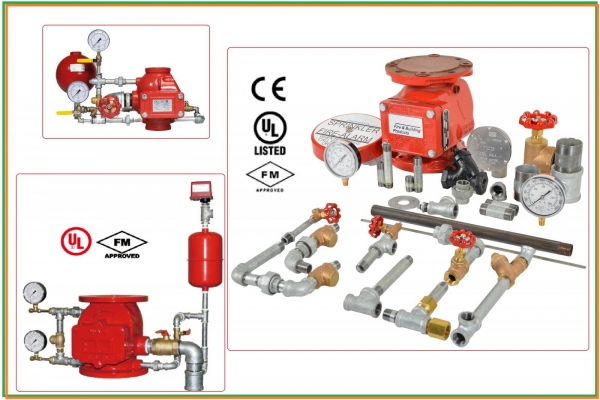
Professional Fire Protection Valve & Equipment Solutions – Leading Global Brands
24/03/2026
In any fire protection system, firefighting valves and water control equipment play a critical role in rapid response, system control, and the protection of life and property. Selecting products from world-leading brands that comply with international standards such as UL, FM, EN, and ISO ensures operational reliability, safety, and long-term performance.
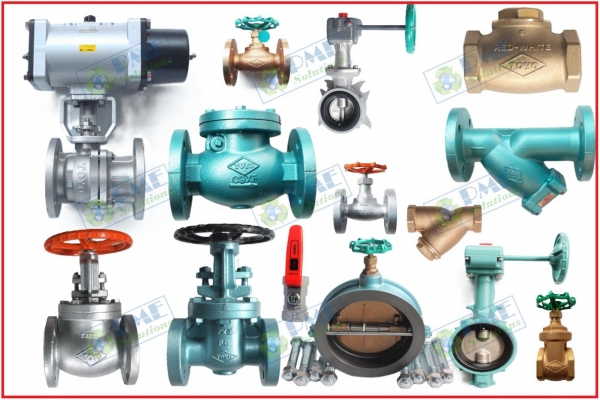
Toyo Valve Japan – Official Genuine Valves 2026 | Latest Price List
01/04/2026
Get the latest 2026 prices for genuine Toyo Valve Japan. Wide range of industrial Toyo valves, full CO & CQ, competitive prices. Contact us for professional guidance.
Industrial Valves
30/03/2026
Learn about industrial valves, types, applications, and latest prices. Contact Phuc Minh for high-quality valves and expert support.
Yuanda Valve Price – Genuine Industrial Valves | PM-E.vn
31/03/2026
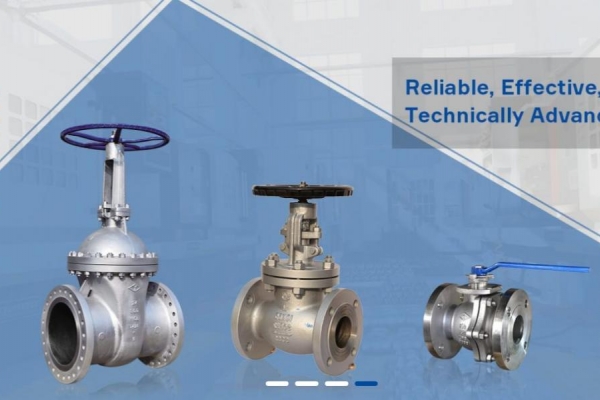
Get detailed Yuanda valve quotes in Vietnam from PM-E.vn. We provide a wide range of industrial valves: gate, globe, ball, butterfly, Y-strainer, and couplings. Large stock, fast delivery, competitive prices, complete CO/CQ. Contact 0907450506 – 0902720814.
Quick Quote: Yamamoto Keiki – Genuine Japanese Pressure & Temperature Gauges for Industry
31/03/2026
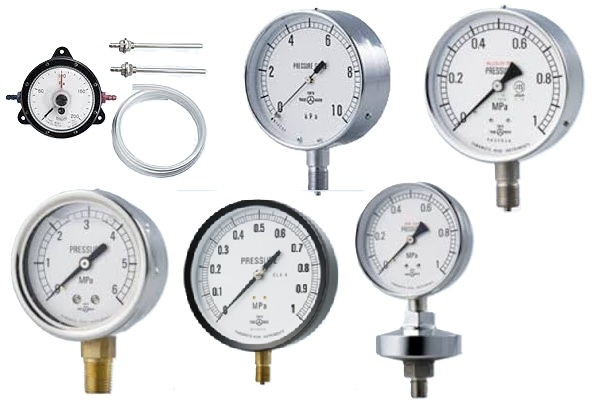
Discover Yamamoto Keiki pressure gauges, thermometers, and pressure control devices – 100% made in Japan, highly accurate and durable, widely used in boilers, oil & gas, chemical, food & pharmaceutical, power plants, and HVAC systems.








Vertical Multistage Pump
Contact


AWN Dredger Pump
Contact

AMG Sand Gravel Pump
Contact

AnPump Horizontal Slurry Pump
Contact
About us

PHUC MINH ENGINEERING CO., LTD
Head Office: 92/38, No.12 St, Quarter 18, Binh Hung Hoa Ward, Ho Chi Minh City, Vietnam.
Tax Code: 0314405007
Tel: +842835352125
Fax: +842835350254
Email: info@pm-e.vn
Website: www.pm-e.vn
Quang Ngai Branch:
Address: 123/4 Vo Thi Sau, Chanh Lo, Quang Ngai, 840255, Vietnam
- Policies and regulations
- Payments
- Shipping and forwarding
- Warranty Policy
- Complaint handling process
- Exchanges and refunds
- Privacy Policy
Return Policy
Social network

.png)








Copyright © 20017 Copyright by Phuc Minh Technology Co., Ltd