



Industrial Valves Overview | Types, Structure, Standards & Applications
Industrial Valves Overview – Types, Structure, Standards & Applications
Industrial valves are one of the most important components in piping systems. They are used to control, regulate, or shut off the flow of liquids and gases.
Understanding industrial valves helps engineers select the right equipment, ensuring system safety and efficiency.
1. What Is an Industrial Valve?
An industrial valve is a mechanical device installed in piping systems to:
- Start or stop flow
- Regulate flow rate
- Prevent backflow
- Protect the system
👉 Valves are widely used in almost all industrial sectors.
2. Classification of Industrial Valves
🔹 By function:
- On/Off valves
- Control valves
- Safety valves
- Check valves
🔹 By structure:
- Gate Valve
- Globe Valve
- Ball Valve
- Butterfly Valve
🔹 By material:
- Carbon steel (A105, WCB)
- Stainless steel (CF8, CF8M)
- Cast iron
- Special alloys
🔹 By standards:
- ANSI / ASME (USA)
- DIN (Germany)
- JIS (Japan)
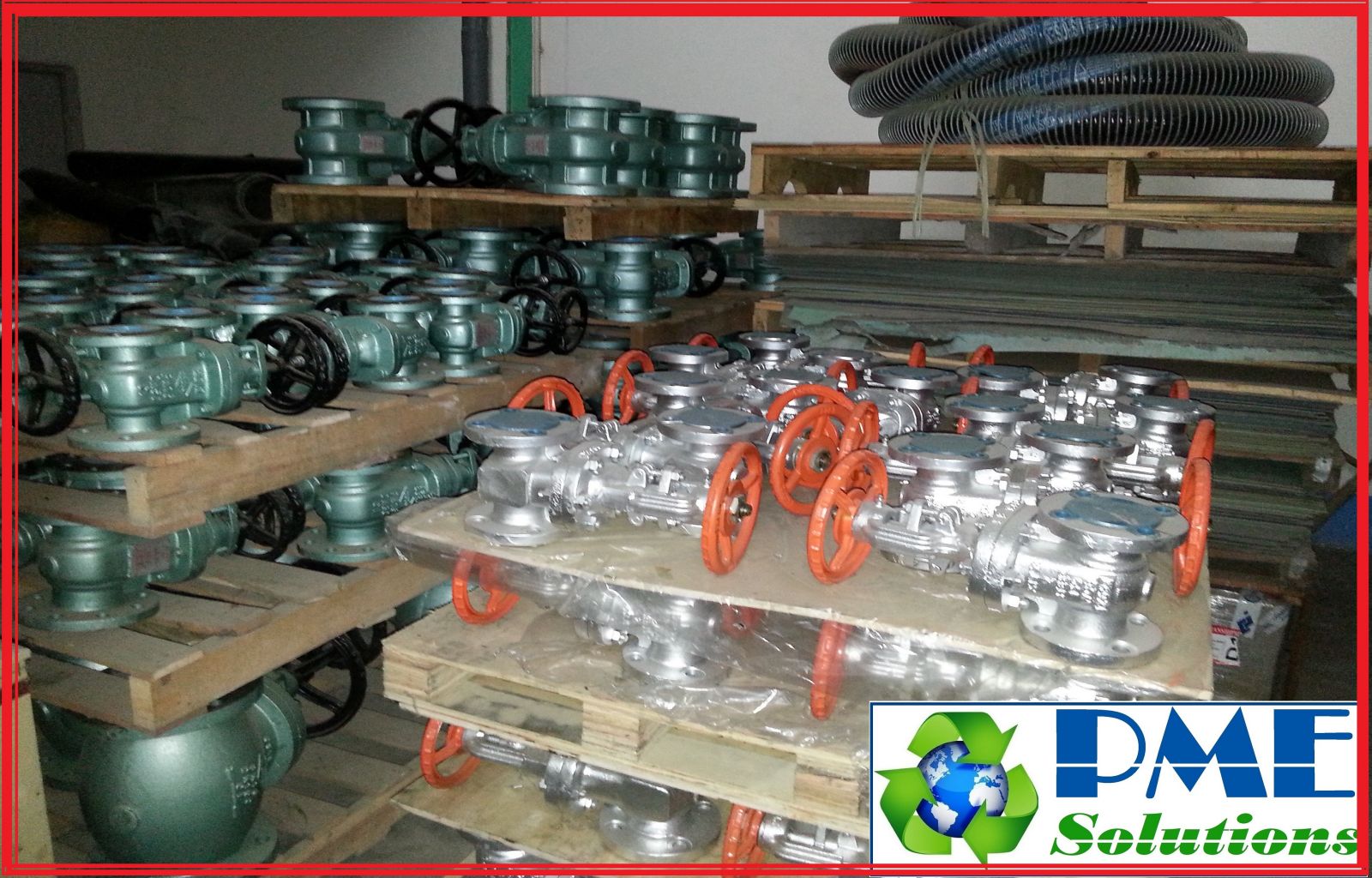
3. Structure of Industrial Valves
A typical industrial valve consists of:
- Body
- Disc / Gate / Ball
- Seat
- Stem
- Actuator / Handwheel
👉 Each valve type has a different internal structure depending on its function.
4. Industrial Valve Standards
🔹 Common standards:
- ANSI B16.34 – valve design standard
- API 600 / API 602 – steel valves
- API 598 – testing standard
- DIN 3352 – European standard
- JIS 10K – Japanese standard
🔹 Pressure ratings:
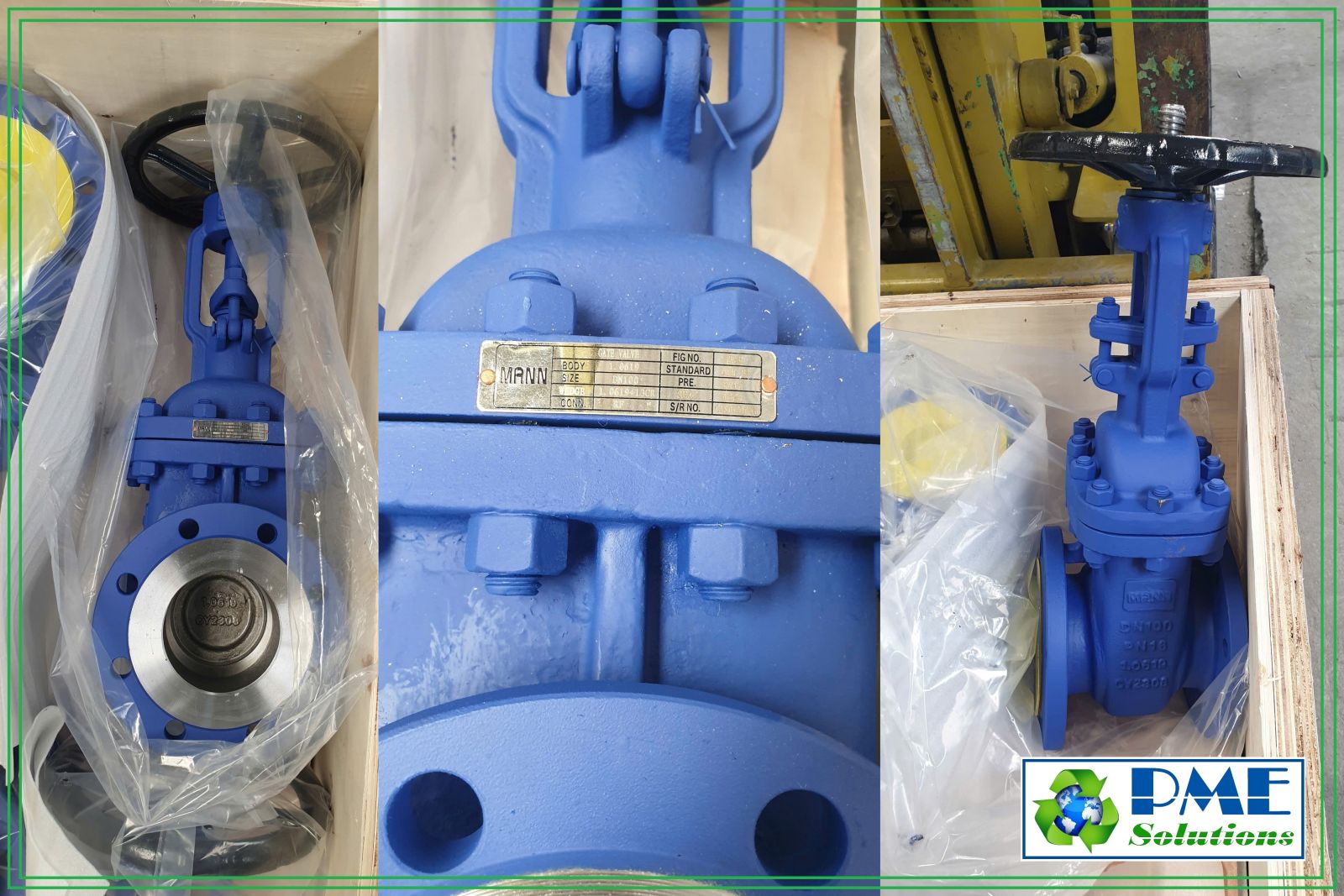
- PN10 / PN16 / PN25 / PN40
- Class 150 / 300 / 600 / 1500 / 2500
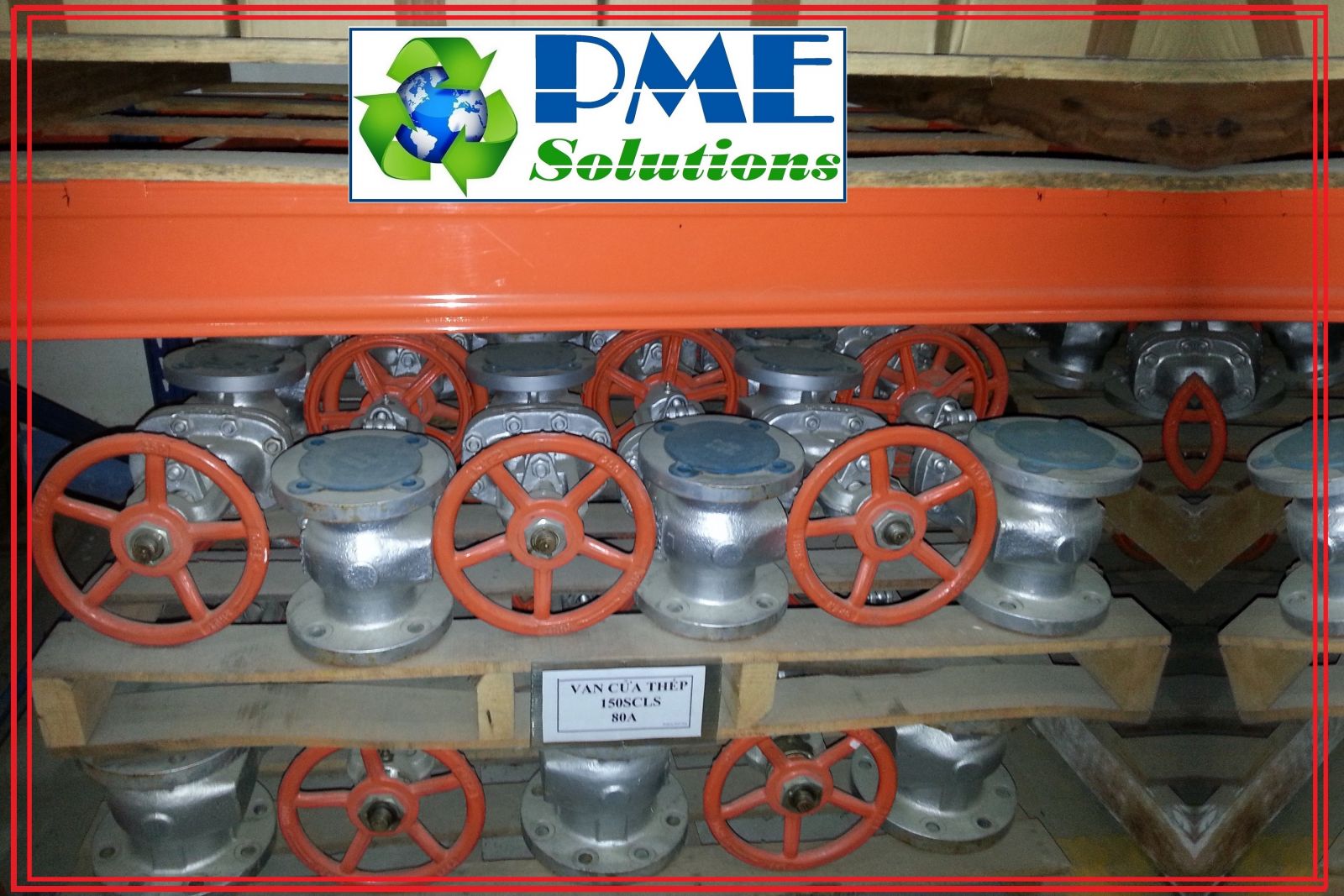
5. Applications of Industrial Valves
Industrial valves are widely used in:
- Oil & gas and petrochemical plants
- Power generation plants
- Steam systems
- Chemical industry
- Water supply and drainage systems
- Food and beverage industry
6. Role of Industrial Valves
- Precise flow control
- System safety assurance
- Improved operational efficiency
- Reduced pipeline failure risk
- Easier maintenance and system control
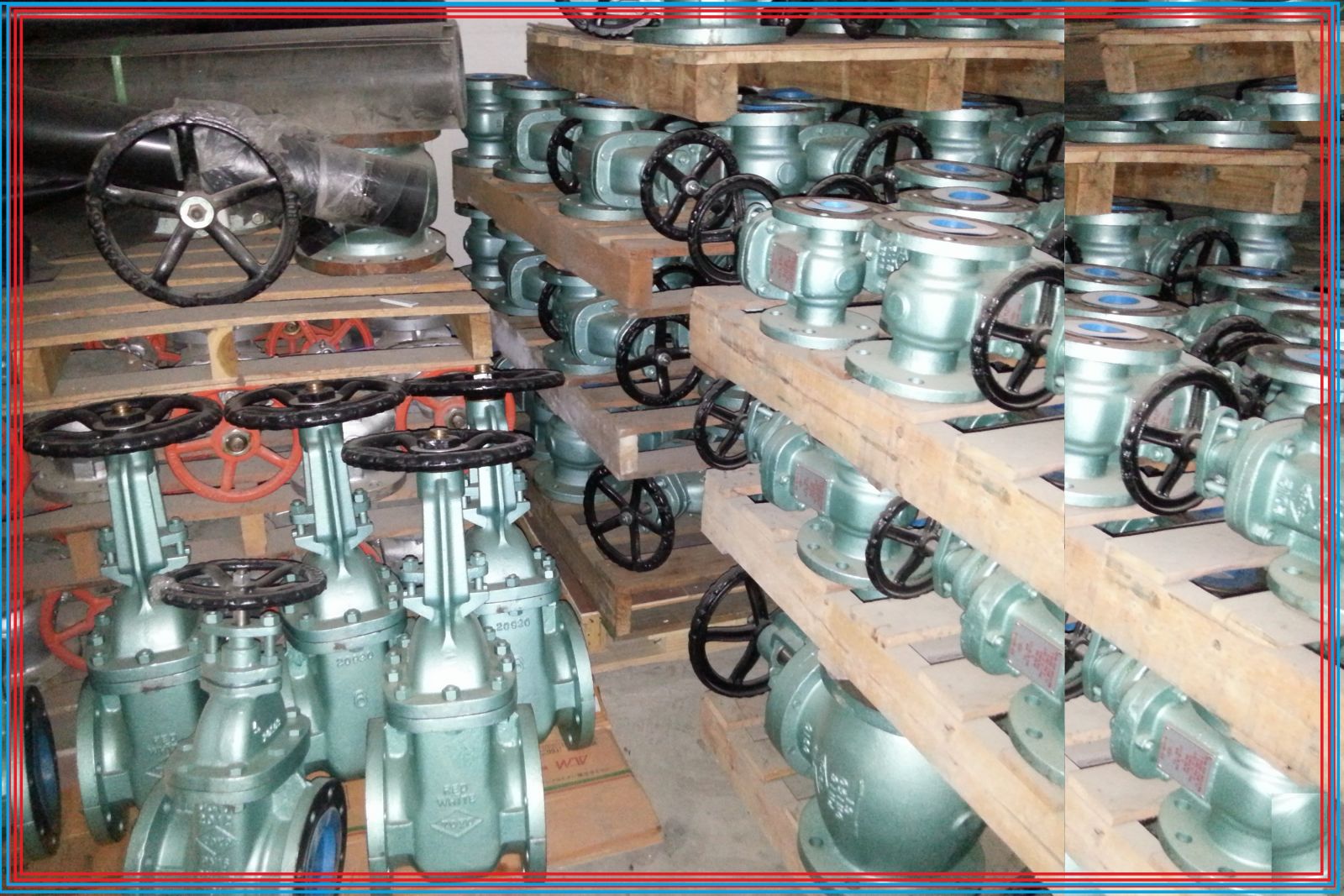
7. How to Select Industrial Valves
When selecting valves, consider:
- System pressure
- Operating temperature
- Type of fluid (water, gas, chemicals…)
- Design standards
- Material compatibility
8. Reliable Industrial Valve Supplier
For technical consultation or quotation, contact:
Phuc Minh Engineering Co., Ltd
🌐 Website: pm-e.vn
📧 Email: info@pm-e.vn
📱 Hotline: +84 907 450 506 – +84 902 720 814 – +84 979 737 351 – +84 902 601 875
👉 We supply:
- Industrial valves with ANSI, DIN, JIS standards
- Full CO-CQ documentation
- Technical project support
- Genuine imported products
Conclusion
The industrial valves overview helps engineers understand classification, structure, standards, and applications, enabling correct equipment selection for piping systems.
Related News
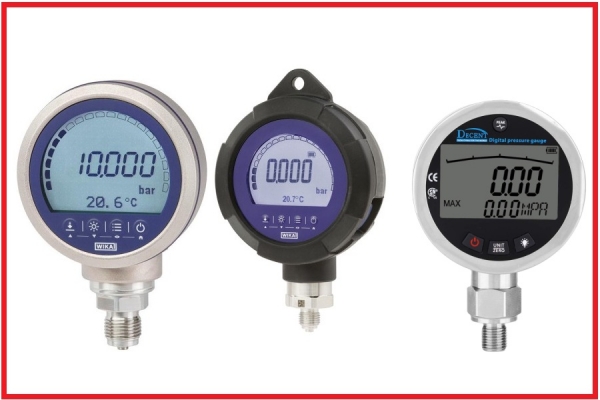
Digital Pressure Gauge | Electronic Pressure Gauge | PM-E.VN
17/05/2026
Digital pressure gauge with LED/LCD display, high accuracy, and excellent vibration resistance. PM-E.VN supplies genuine electronic pressure gauges for industrial applications.
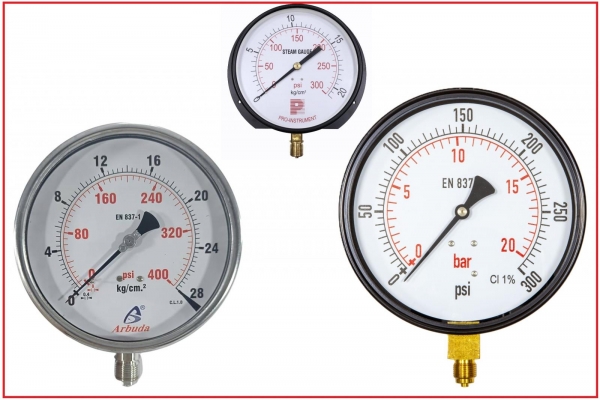
Steam Pressure Gauge | Boiler Pressure Gauge | PM-E.VN
17/05/2026
Steam pressure gauge for boilers and industrial steam systems. High temperature resistant, durable, and accurate. PM-E.VN supplies genuine industrial pressure gauges.
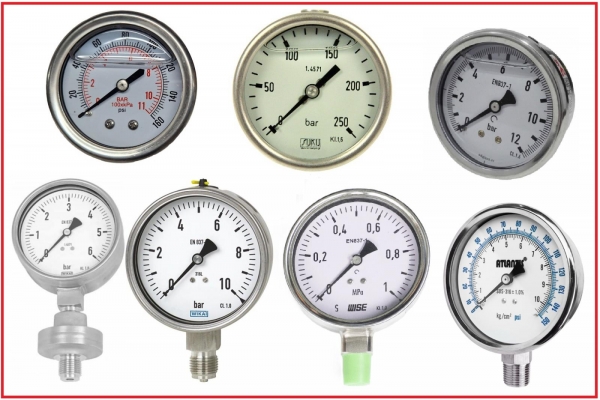
Stainless Steel Pressure Gauge | Industrial Pressure Gauge | PM-E.VN
17/05/2026
Stainless steel pressure gauge for water, air, steam, and chemical applications. Corrosion-resistant, durable, and accurate. PM-E.VN supplies genuine industrial pressure gauges.
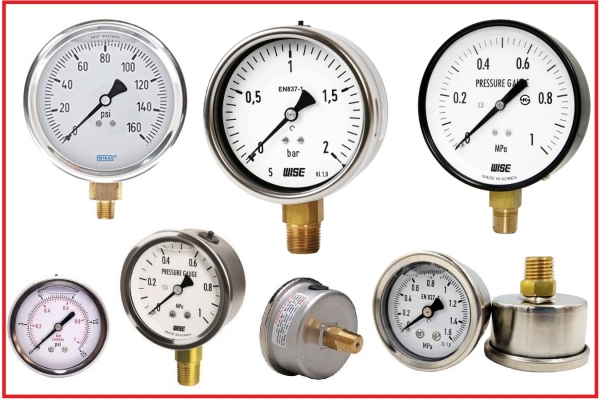
Brass Connection Pressure Gauge | Pressure Gauge Brass Connection | PM-E.VN
17/05/2026
Brass connection pressure gauges are used for water, compressed air, steam, and industrial applications. PM-E.VN supplies genuine pressure gauges with high durability and competitive prices.
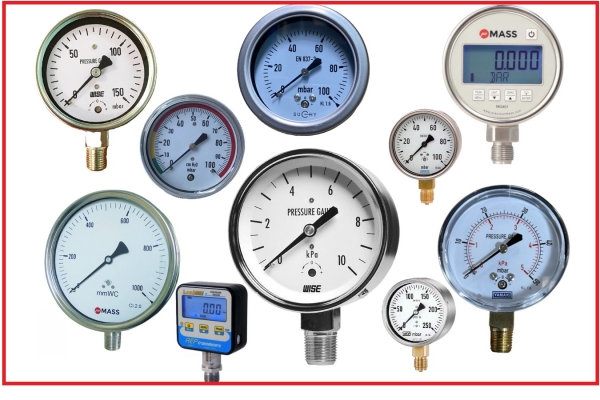
Low Pressure Gauge mbar | Industrial Low Pressure Gauge | PM-E.VN
17/05/2026
High-quality Low Pressure Gauge mbar for HVAC systems, vacuum systems, air filter monitoring, and industrial low-pressure applications. PM-E.VN supplies genuine low pressure gauges with high accuracy.








VINVAL J61Y-2500LB Globe Valve DN40 (1.1/2") | Class 2500#, BW, ASTM A182 F11
24,000,000 d 26,666,667 d

VINVAL Z61Y-800LB Gate Valve DN25 (1") | Class 800#, Socket Weld (SW)
1,244,430 d 1,464,040 d

VINVAL J61Y-2500LB Globe Valve DN25 (1") | Class 2500#, ASTM A182 F11, BW
11,200,000 d 12,444,444 d

VINVAL Z61Y-800LB Gate Valve DN20 (3/4") | Class 800#, Socket Weld (SW)
829,610 d 976,010 d

VINVAL J61Y-800LB Globe Valve DN25 (1") | Class 800#, Socket Weld, Full Stellite Trim
1,244,430 d 1,464,035 d
About us

PHUC MINH ENGINEERING CO., LTD
Head Office: 92/38, No.12 St, Quarter 18, Binh Hung Hoa Ward, Ho Chi Minh City, Vietnam.
Tax Code: 0314405007
Tel: +842835352125
Fax: +842835350254
Email: info@pm-e.vn
Website: www.pm-e.vn
Quang Ngai Branch:
Address: 123/4 Vo Thi Sau, Chanh Lo, Quang Ngai, 840255, Vietnam
- Policies and regulations
- Payments
- Shipping and forwarding
- Warranty Policy
- Complaint handling process
- Exchanges and refunds
- Privacy Policy
Return Policy
Social network

.png)








Copyright © 20017 Copyright by Phuc Minh Technology Co., Ltd