



Comparison of Globe Valve Bolted Bonnet vs Pressure Seal – Which One Should You Choose?
🔎 Comparison Between Two Types of Globe Valves
1. Overview
✅ Globe Valve – Bolted Bonnet
- The bonnet is secured to the valve body using bolts
- This is a conventional and widely used design
✅ Globe Valve – Pressure Seal (Non-Bonnet Type)
- No traditional bolted bonnet
- Uses a pressure seal mechanism for tight sealing
⚙️ 2. Detailed Comparison
| Criteria | Bolted Bonnet | Pressure Seal (Non-Bonnet) |
|---|---|---|
| Design | Bonnet bolted to body with gasket | No bolted bonnet, uses sealing ring |
| Sealing Method | Sealing by gasket + bolt tightening force | Self-sealing by internal pressure |
| Performance at High Pressure | Risk of leakage if gasket degrades | Better sealing as pressure increases |
| Pressure Capability | Good but limited | Excellent for very high pressure |
| Maintenance | Easy to disassemble | More complex maintenance |
| Safety Level | Moderate | Very high |
| Cost | Lower | Higher |
| Application | General industrial use | High pressure & temperature services |
🔥 3. Key Difference
🔴 Bolted Bonnet
- Depends on:
- Bolt tightening force
- Gasket condition
- Under:
- High temperature → gasket expansion
- High pressure → potential leakage
👉 Higher risk of leakage in extreme conditions
🟢 Pressure Seal
- Higher internal pressure → tighter sealing
- Does not rely on conventional gasket sealing
👉 Ideal for:
- Class 1500 / 2500
- Superheated steam
- Power plants and oil & gas industries
🏭 4. Applications
Bolted Bonnet is suitable for:
- Medium to high pressure systems
- Applications requiring frequent maintenance
- Water, oil, and general industrial services
Pressure Seal is suitable for:
- Very high pressure (Class 1500 – 2500+)
- High temperature environments
- Critical systems such as:
- Power plants (boilers, steam lines)
- Refineries
- Petrochemical plants
⚠️ 5. Technical Note
- Class 2500 valves can handle pressure up to approximately 400 bar (depending on temperature)
👉 For such conditions, pressure seal design is often preferred
💡 6. Conclusion
- Bolted Bonnet
→ Easier maintenance, lower cost, general-purpose use - Pressure Seal (Non-Bonnet)
→ Superior for high pressure, safer, used in critical applications
Related News
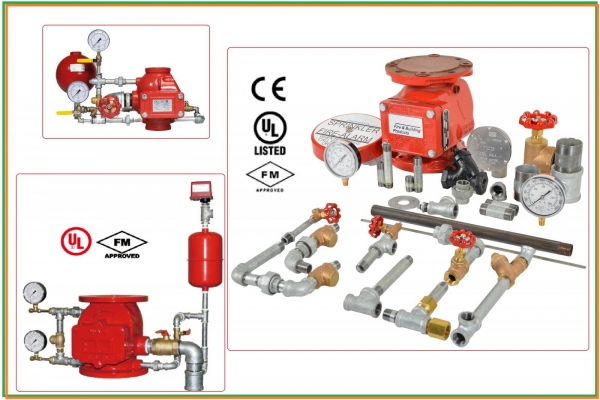
Professional Fire Protection Valve & Equipment Solutions – Leading Global Brands
24/03/2026
In any fire protection system, firefighting valves and water control equipment play a critical role in rapid response, system control, and the protection of life and property. Selecting products from world-leading brands that comply with international standards such as UL, FM, EN, and ISO ensures operational reliability, safety, and long-term performance.
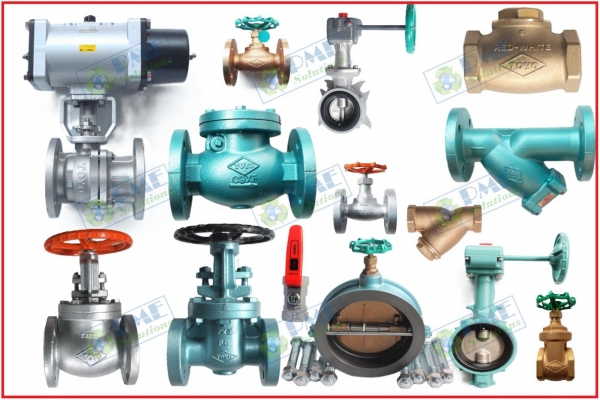
Toyo Valve Japan – Official Genuine Valves 2026 | Latest Price List
01/04/2026
Get the latest 2026 prices for genuine Toyo Valve Japan. Wide range of industrial Toyo valves, full CO & CQ, competitive prices. Contact us for professional guidance.
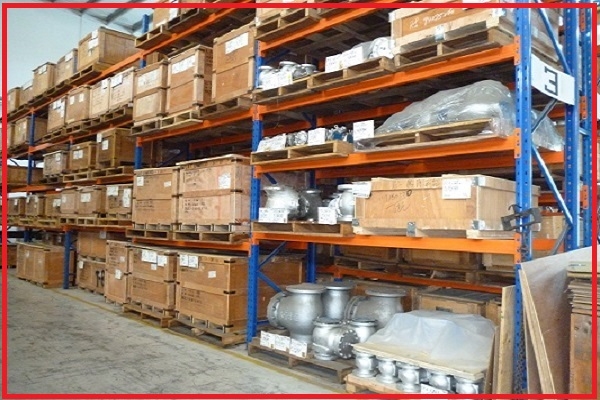
Industrial Valves
30/03/2026
Learn about industrial valves, types, applications, and latest prices. Contact Phuc Minh for high-quality valves and expert support.
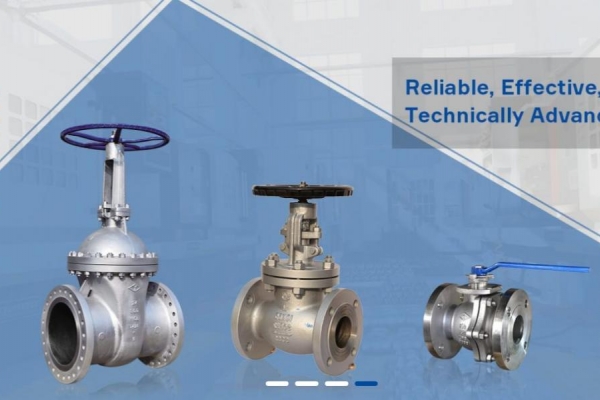
Yuanda Valve Price – Genuine Industrial Valves | PM-E.vn
31/03/2026
Get detailed Yuanda valve quotes in Vietnam from PM-E.vn. We provide a wide range of industrial valves: gate, globe, ball, butterfly, Y-strainer, and couplings. Large stock, fast delivery, competitive prices, complete CO/CQ. Contact 0907450506 – 0902720814.
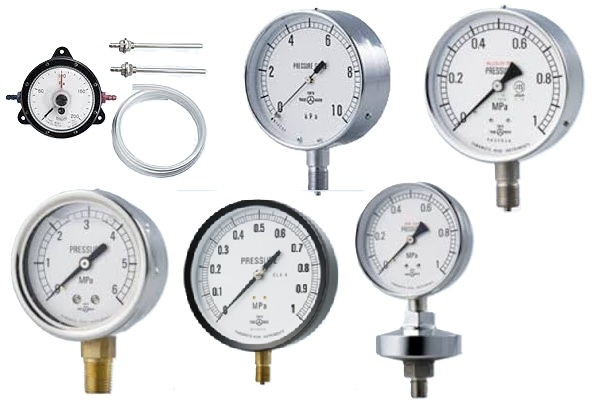
Quick Quote: Yamamoto Keiki – Genuine Japanese Pressure & Temperature Gauges for Industry
31/03/2026
Discover Yamamoto Keiki pressure gauges, thermometers, and pressure control devices – 100% made in Japan, highly accurate and durable, widely used in boilers, oil & gas, chemical, food & pharmaceutical, power plants, and HVAC systems.








Vertical Multistage Pump
Contact


AWN Dredger Pump
Contact

AMG Sand Gravel Pump
Contact

AnPump Horizontal Slurry Pump
Contact
About us

PHUC MINH ENGINEERING CO., LTD
Head Office: 92/38, No.12 St, Quarter 18, Binh Hung Hoa Ward, Ho Chi Minh City, Vietnam.
Tax Code: 0314405007
Tel: +842835352125
Fax: +842835350254
Email: info@pm-e.vn
Website: www.pm-e.vn
Quang Ngai Branch:
Address: 123/4 Vo Thi Sau, Chanh Lo, Quang Ngai, 840255, Vietnam
- Policies and regulations
- Payments
- Shipping and forwarding
- Warranty Policy
- Complaint handling process
- Exchanges and refunds
- Privacy Policy
Return Policy
Social network

.png)








Copyright © 20017 Copyright by Phuc Minh Technology Co., Ltd