



Operation Process of an Air Compressor
Operation Process of an Air Compressor
Air compressors are crucial devices in many industries, providing compressed air for various tools and equipment. Understanding the operation process of an air compressor helps ensure the efficiency and longevity of the system. Below is a detailed description of the operation process of a typical air compressor, including its main components and operational steps.
1. Basic Components of an Air Compressor
Main Components:
- Compression Element: Includes pistons or rotating vanes.
- Motor: Provides power to the compression element.
- Air Tank: Stores the compressed air.
- Inlet Valve: Allows air to enter the compressor.
- Discharge Valve: Allows compressed air to exit and enter the air tank.
- Air Filter: Removes impurities from the air before compression.
- Cooler: Reduces the temperature of the compressed air.
- Control System: Manages the operation of the compressor.

2. Operating Principle of an Air Compressor
Operation Process:
-
Air Intake (Suction):
- Opening the Inlet Valve: The inlet valve opens, allowing air from the external environment to enter the compressor.
- Air Filtration: The air passes through the air filter to remove dust and impurities before entering the compression chamber.
-
Compressing the Air (Compression):
- Motor Activation: The motor operates, providing power to the compression element.
- Compression Process: The compression element (piston or rotating vane) compresses the air, reducing its volume and increasing its pressure.
-
Discharging Compressed Air (Discharge):
- Opening the Discharge Valve: The discharge valve opens, allowing the compressed air to exit the compression chamber and enter the air tank.
- Cooling the Compressed Air: The compressed air may pass through a cooler to reduce its temperature before entering the air tank.
-
Storing and Distributing Compressed Air (Storage and Distribution):
- Storing in the Air Tank: The compressed air is stored in the air tank, ready for use.
- Distributing Compressed Air: From the air tank, compressed air is distributed through pipelines to the tools and equipment that need it.
-
Control and Regulation (Control and Regulation):
- Control System: The control system monitors the pressure and flow of compressed air, adjusting the compressor's operation to maintain stable pressure.
- Automatic On/Off: The compressor will automatically turn off when the desired pressure is reached and turn back on when the pressure drops.
3. Types of Air Compressors and Their Operating Principles
Reciprocating Compressor:
- Principle: Uses a piston moving up and down to compress the air.
- Applications: Pneumatic tools, workshop air systems.
Screw Compressor:
- Principle: Uses two rotating screws to compress the air.
- Applications: Industrial systems, manufacturing plants.
Centrifugal Compressor:
- Principle: Uses high-speed rotating impellers to compress the air.
- Applications: HVAC systems, industries requiring large air flow.
Rotary Vane Compressor:
- Principle: Uses a rotor with vanes to compress the air.
- Applications: Light industrial applications, air conditioning systems.
4. Advantages and Disadvantages of Air Compressors
Advantages:
- High Efficiency: Provides a large volume of compressed air.
- Versatility: Used in many different industrial applications.
- High Reliability: Durable and capable of continuous operation for extended periods.
Disadvantages:
- Initial Cost: High initial investment for quality compressors.
- Maintenance: Requires regular maintenance to ensure performance.
- Energy Consumption: Can consume significant energy, especially in large systems.
5. Applications of Air Compressors
Pneumatic Tools:
- Provides compressed air for tools such as jackhammers, drills, grinders, and other handheld tools in workshops and manufacturing.
HVAC Systems:
- Utilizes compressed air in HVAC systems (heating, ventilation, and air conditioning) to control temperature and air quality in buildings and industrial facilities.
Automotive Industry:
- Uses compressed air in the production processes of automobiles, from painting to assembling parts.
Food and Beverage Industry:
- Uses compressed air to operate packaging, filling, and processing equipment in the food and beverage industry.
Chemical and Pharmaceutical Industry:
- Uses compressed air in the production and packaging processes of chemicals and pharmaceuticals, ensuring safety and precision.
Oil and Gas Industry:
- Uses air compressors to transport natural gas and other gases, as well as in extraction and processing operations.
Construction Industry:
- Provides compressed air for construction equipment such as drills, compactors, and other construction tools.
Conclusion
Understanding the operation process of an air compressor is crucial to maintaining efficiency and reliability in industrial applications. By mastering how air compressors work, operators can ensure optimal performance, minimize downtime, and extend the lifespan of these essential components in industrial systems. Air compressors are not only essential tools in many industries but also play a vital role in enhancing efficiency and productivity.
Summary of Operation Process:
- Air Intake: Air is drawn in through the inlet valve and filtered through the air filter.
- Compressing the Air: The motor powers the compression element to compress the air, reducing its volume and increasing its pressure.
- Discharging Compressed Air: The compressed air is released through the discharge valve and may be cooled before entering the air tank.
- Storing and Distributing Compressed Air: The compressed air is stored in the air tank and distributed to various equipment and tools.
- Control and Regulation: The control system monitors and adjusts the pressure and flow of the compressed air to ensure stable and efficient operation.
The diverse applications of air compressors, from pneumatic tools, HVAC systems, to the automotive and construction industries, demonstrate the essential role of this equipment in improving the efficiency and productivity of various industrial sectors.
Related News
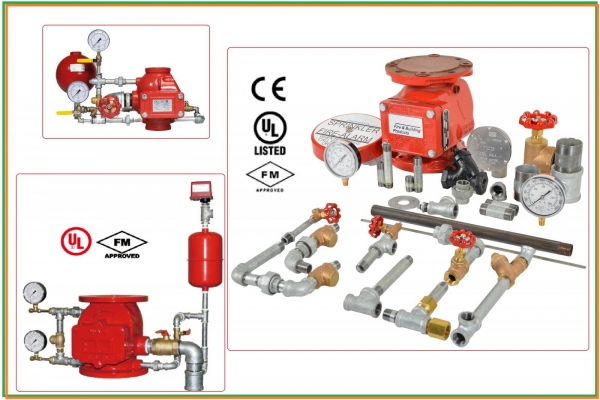
Professional Fire Protection Valve & Equipment Solutions – Leading Global Brands
24/03/2026
In any fire protection system, firefighting valves and water control equipment play a critical role in rapid response, system control, and the protection of life and property. Selecting products from world-leading brands that comply with international standards such as UL, FM, EN, and ISO ensures operational reliability, safety, and long-term performance.
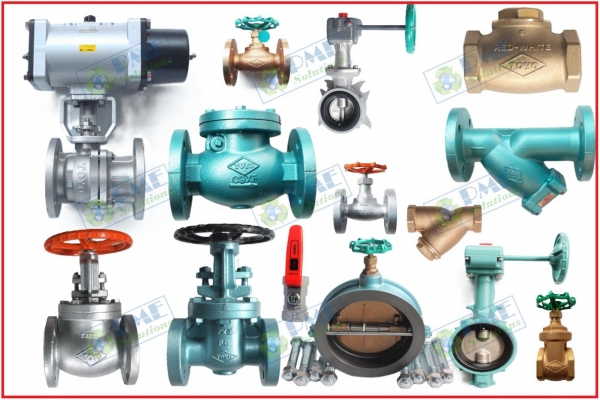
Toyo Valve Japan – Official Genuine Valves 2026 | Latest Price List
01/04/2026
Get the latest 2026 prices for genuine Toyo Valve Japan. Wide range of industrial Toyo valves, full CO & CQ, competitive prices. Contact us for professional guidance.
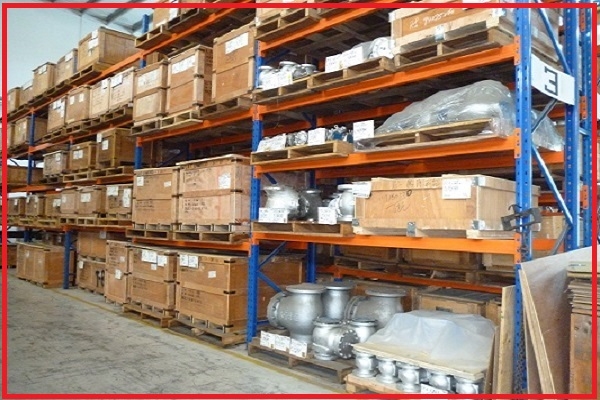
Industrial Valves
30/03/2026
Learn about industrial valves, types, applications, and latest prices. Contact Phuc Minh for high-quality valves and expert support.
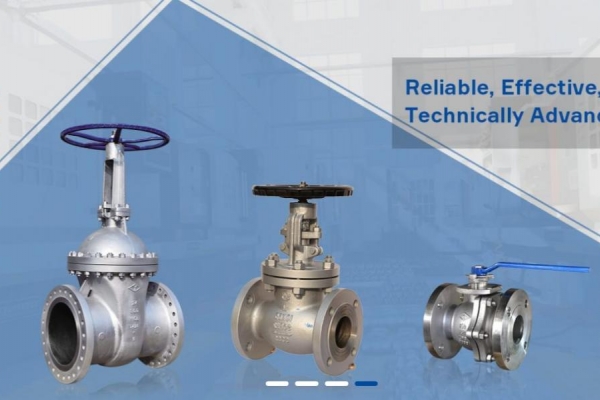
Yuanda Valve Price – Genuine Industrial Valves | PM-E.vn
31/03/2026
Get detailed Yuanda valve quotes in Vietnam from PM-E.vn. We provide a wide range of industrial valves: gate, globe, ball, butterfly, Y-strainer, and couplings. Large stock, fast delivery, competitive prices, complete CO/CQ. Contact 0907450506 – 0902720814.
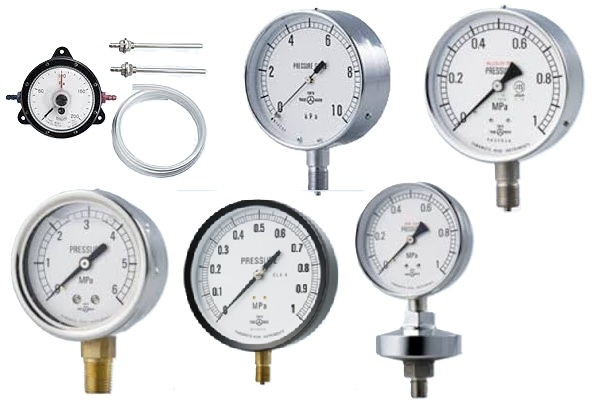
Quick Quote: Yamamoto Keiki – Genuine Japanese Pressure & Temperature Gauges for Industry
31/03/2026
Discover Yamamoto Keiki pressure gauges, thermometers, and pressure control devices – 100% made in Japan, highly accurate and durable, widely used in boilers, oil & gas, chemical, food & pharmaceutical, power plants, and HVAC systems.








Vertical Multistage Pump
Contact


AWN Dredger Pump
Contact

AMG Sand Gravel Pump
Contact

AnPump Horizontal Slurry Pump
Contact
About us

PHUC MINH ENGINEERING CO., LTD
Head Office: 92/38, No.12 St, Quarter 18, Binh Hung Hoa Ward, Ho Chi Minh City, Vietnam.
Tax Code: 0314405007
Tel: +842835352125
Fax: +842835350254
Email: info@pm-e.vn
Website: www.pm-e.vn
Quang Ngai Branch:
Address: 123/4 Vo Thi Sau, Chanh Lo, Quang Ngai, 840255, Vietnam
- Policies and regulations
- Payments
- Shipping and forwarding
- Warranty Policy
- Complaint handling process
- Exchanges and refunds
- Privacy Policy
Return Policy
Social network

.png)








Copyright © 20017 Copyright by Phuc Minh Technology Co., Ltd