



What Is a Steam Pressure Reducing Valve?
Overview of Steam Pressure Reducing Valves (PRV)
1. What Is a Steam Pressure Reducing Valve?
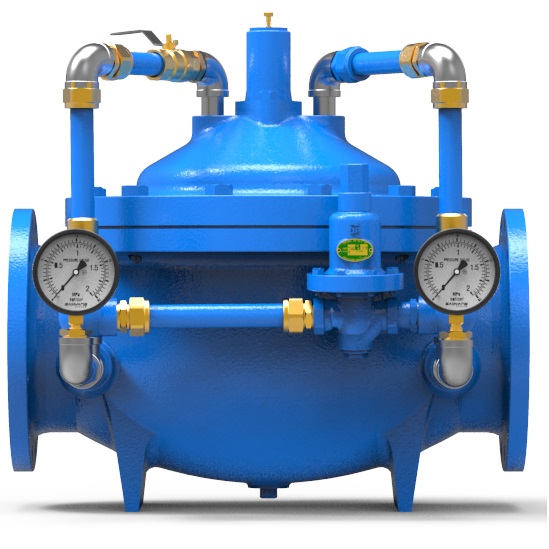
A Steam Pressure Reducing Valve (PRV) is a device used in steam systems to reduce steam pressure from a high level to a stable, controlled level as required by the application. It helps regulate pipeline pressure, ensures equipment safety, and optimizes system efficiency.
-
Applications of Steam Pressure Reducing Valves
Steam PRVs are widely used across various industries such as:
-
Power Plants: Controlling steam pressure supplied to turbines.
-
Textile Industry: Providing suitable steam pressure for steamers and ironing machines.
-
Food & Beverage Industry: Applied in cooking and steaming processes.
-
Oil & Gas, Chemical Industry: Used in heating and chemical processing systems.
-
Operating Principle
A steam PRV operates by automatically adjusting pressure through a balance of spring force, inlet pressure, and outlet pressure. There are two main types:
-
Direct-Acting PRVs: Use a spring and diaphragm or piston to regulate pressure.
-
Pilot-Operated PRVs: Use a pilot valve for precise control of outlet pressure.
-
Common Types of Steam PRVs
-
Diaphragm-Type PRV: Suitable for small flow systems, providing quick pressure adjustments.
-
Piston-Type PRV: Ideal for high-pressure, high-load systems.
-
Pilot-Operated PRV: Used in systems requiring high-accuracy pressure control.
-
Benefits of Using Steam PRVs
-
Safety Assurance: Prevents incidents caused by excessive steam pressure.
-
Energy Savings: Reduces steam loss and optimizes energy use.
-
Equipment Protection: Minimizes damage to boilers, pipelines, and steam-utilizing equipment.
-
System Efficiency Improvement: Maintains stable pressure for smooth production processes.
-
Considerations When Selecting Steam PRVs
-
Define desired inlet and outlet pressure.
-
Choose the appropriate valve type for the system’s steam flow rate.
-
Select valve materials suitable for high temperature and pressure.
-
Ensure proper installation for optimal performance.
Steam PRVs are essential devices in steam systems, helping maintain stable pressure, extend equipment lifespan, and improve production efficiency.
📞 Contact PME – Your Trusted Industrial Equipment Partner
Phuc Minh Engineering Co., Ltd (PME) specializes in:
✅ Supplying genuine industrial equipment, pumps, valves, and water treatment systems.
✅ Consulting, installation, and maintenance for factories and production lines.
Contact Information:
- 🌐 Website: www.pm-e.vn
- 📧 Email: info@pm-e.vn
- ☎️ Tel: +84 (28) 3535 2125 | Fax: +84 (28) 3535 0254
- 📍 Address: 92/38 Street No.12, KP18, Binh Hung Hoa Ward, Binh Tan District, Ho Chi Minh City, Vietnam
- 📱 Zalo: 0902 720 814 – 0907 450 506 – 0902 800 728 – 0979 737 351
Related News
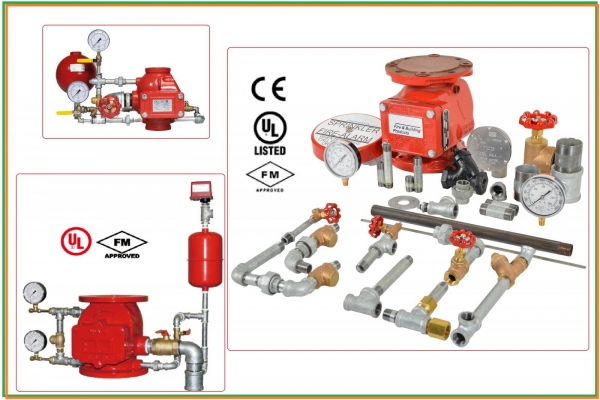
Professional Fire Protection Valve & Equipment Solutions – Leading Global Brands
24/03/2026
In any fire protection system, firefighting valves and water control equipment play a critical role in rapid response, system control, and the protection of life and property. Selecting products from world-leading brands that comply with international standards such as UL, FM, EN, and ISO ensures operational reliability, safety, and long-term performance.
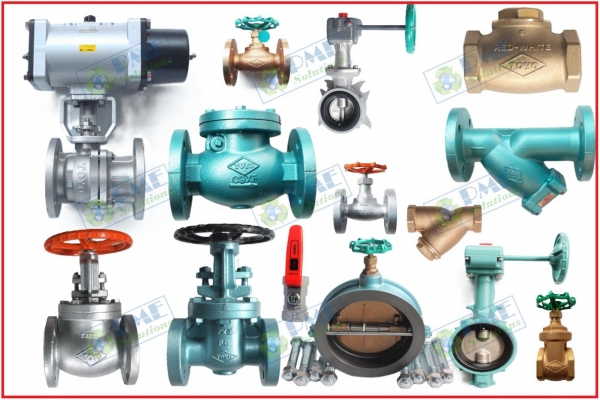
Toyo Valve Japan – Official Genuine Valves 2026 | Latest Price List
01/04/2026
Get the latest 2026 prices for genuine Toyo Valve Japan. Wide range of industrial Toyo valves, full CO & CQ, competitive prices. Contact us for professional guidance.
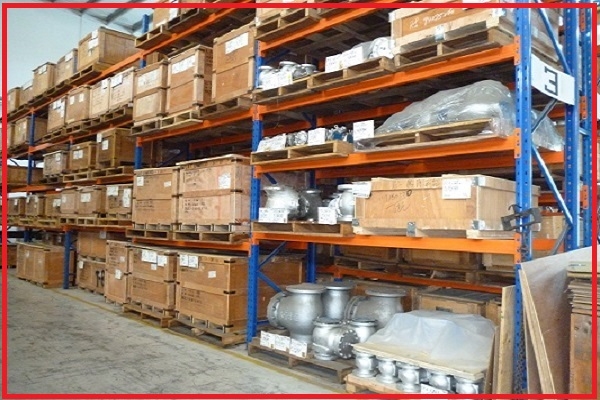
Industrial Valves
30/03/2026
Learn about industrial valves, types, applications, and latest prices. Contact Phuc Minh for high-quality valves and expert support.
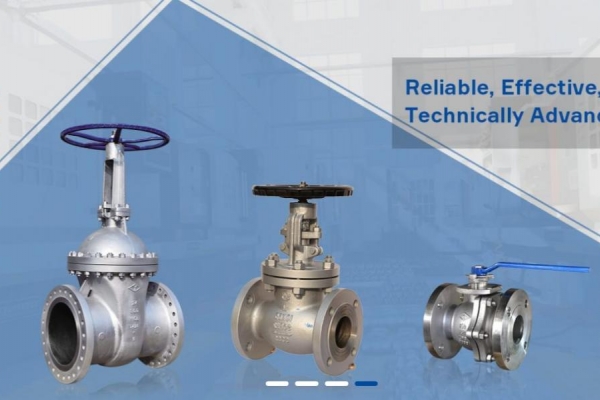
Yuanda Valve Price – Genuine Industrial Valves | PM-E.vn
31/03/2026
Get detailed Yuanda valve quotes in Vietnam from PM-E.vn. We provide a wide range of industrial valves: gate, globe, ball, butterfly, Y-strainer, and couplings. Large stock, fast delivery, competitive prices, complete CO/CQ. Contact 0907450506 – 0902720814.
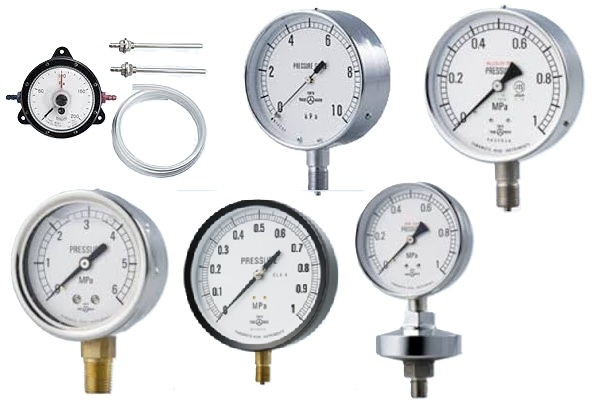
Quick Quote: Yamamoto Keiki – Genuine Japanese Pressure & Temperature Gauges for Industry
31/03/2026
Discover Yamamoto Keiki pressure gauges, thermometers, and pressure control devices – 100% made in Japan, highly accurate and durable, widely used in boilers, oil & gas, chemical, food & pharmaceutical, power plants, and HVAC systems.








Vertical Multistage Pump
Contact


AWN Dredger Pump
Contact

AMG Sand Gravel Pump
Contact

AnPump Horizontal Slurry Pump
Contact
About us

PHUC MINH ENGINEERING CO., LTD
Head Office: 92/38, No.12 St, Quarter 18, Binh Hung Hoa Ward, Ho Chi Minh City, Vietnam.
Tax Code: 0314405007
Tel: +842835352125
Fax: +842835350254
Email: info@pm-e.vn
Website: www.pm-e.vn
Quang Ngai Branch:
Address: 123/4 Vo Thi Sau, Chanh Lo, Quang Ngai, 840255, Vietnam
- Policies and regulations
- Payments
- Shipping and forwarding
- Warranty Policy
- Complaint handling process
- Exchanges and refunds
- Privacy Policy
Return Policy
Social network

.png)








Copyright © 20017 Copyright by Phuc Minh Technology Co., Ltd