



Industrial Valve Installation Guide
Industrial Valve Installation Guide
In industrial piping systems, industrial valves play a critical role in controlling flow, pressure, and fluid direction. Proper valve installation not only ensures stable system operation but also increases equipment lifespan, minimizes leakage, and reduces operational failures.
This article provides a comprehensive guide to industrial valve installation procedures, pressure testing standards, and important construction precautions.
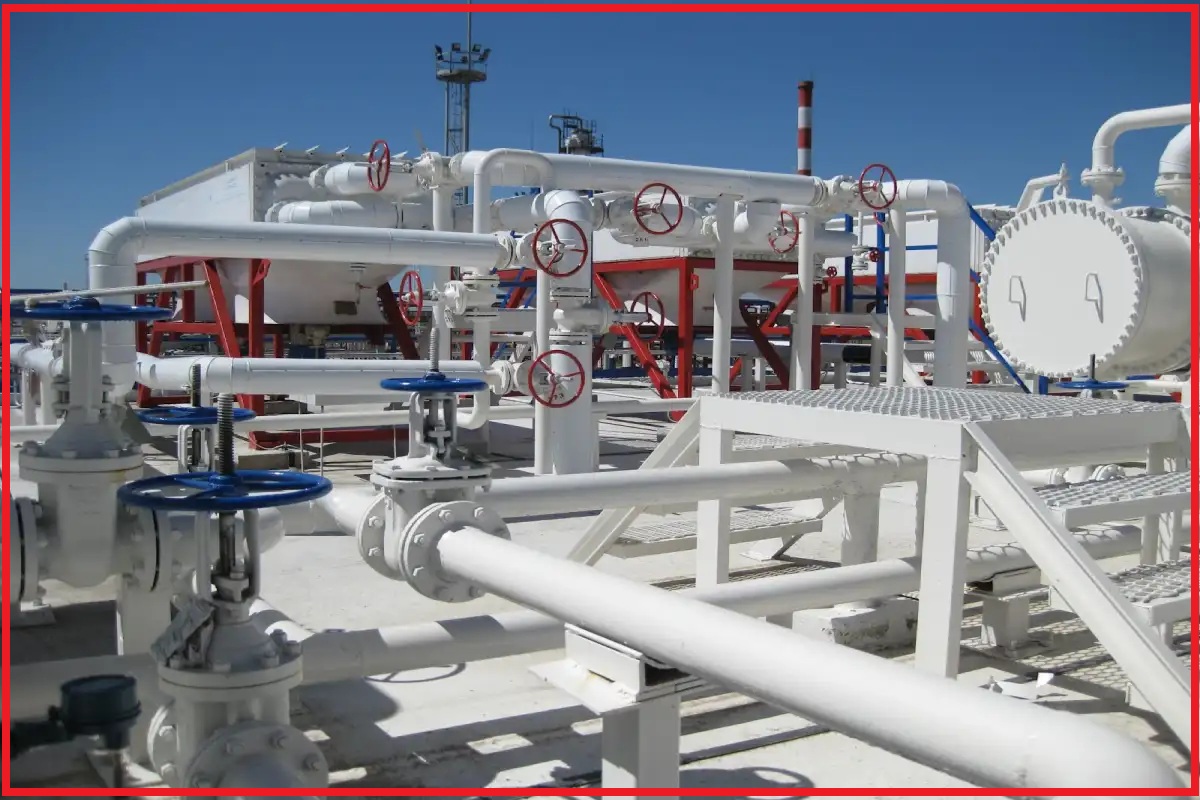
1. Industrial Valve Installation Position
The valve installation position must ensure convenient:
- Operation
- Inspection and maintenance
- Disassembly and repair
- Monitoring during operation
Typically, the valve handwheel should be positioned at a height of approximately 1.0 – 1.2 meters from the operating floor for easier handling.
Important Notes
- Do not install valves with the handwheel facing downward.
- Avoid installing valves in positions that obstruct operation.
- Valves installed at elevated locations should have platforms or actuators.
- Outdoor valves should be protected against corrosion and water exposure.
2. Valve Inspection Before Installation
Before installation, the following items must be checked carefully:
- Valve model and size
- Working pressure
- Body material
- Gasket and sealing condition
- Stem and disc condition
- CO/CQ certificates
- Opening and closing performance
Additionally, clean all dirt, welding slag, and debris inside the valve before installation.
3. Industrial Valve Installation Procedure
3.1 Pipeline Cleaning
The piping system must be thoroughly cleaned before valve installation to remove:
- Welding slag
- Dust and sand
- Metal particles
- Rust deposits
Failure to clean the pipeline properly may damage the valve sealing surfaces.
3.2 Threaded Valve Installation
For threaded valves:
- Use PTFE tape or thread sealant
- Wrap in the direction of the thread
- Avoid excessive wrapping that may crack the threads
Use the correct wrench position when tightening to avoid valve body deformation.
3.3 Flanged Valve Installation
When installing flanged valves:
- Ensure flange faces are parallel
- Tighten bolts diagonally and evenly
- Apply uniform tightening torque
- Use the correct gasket type according to pressure and temperature ratings
Improper alignment or uneven tightening may crack the valve body.
3.4 Welded Valve Installation
For welded valves:
- Perform tack welding first
- Keep the valve disc slightly open during welding
- Avoid overheating that may damage sealing seats
For soft-seat valves, remove the seat before welding if necessary.
4. Installation Guide For Common Valve Types
4.1 Gate Valve Installation
Gate valves are commonly used for fully open or fully closed applications.
Notes:
- Can be installed in either flow direction
- Not recommended for flow regulation
- Valve stem should face upward
4.2 Globe Valve Installation
Globe valves are suitable for flow regulation.
Installation Principle:
The fluid must flow from below the disc upward, following the arrow direction on the valve body.
Incorrect installation may cause:
- Difficult operation
- Leakage
- Reduced valve lifespan
4.3 Check Valve Installation
Check valves allow flow in only one direction.
Important Notes:
- Install according to the flow arrow on the valve body
- Swing check valves should be installed horizontally
- Spring check valves must follow the designed orientation
4.4 Pressure Reducing Valve Installation
Pressure reducing valves maintain stable downstream pressure.
Installation Requirements:
- Install in the correct flow direction
- Install pressure gauges before and after the valve
- Provide a bypass line for maintenance
- Install a Y-strainer upstream of the valve
4.5 Safety Valve Installation
Safety valves protect pressure systems from overpressure.
Requirements:
- Install vertically
- Do not install shut-off valves before the safety valve
- Ensure discharge piping is safe and unobstructed
- Verify set pressure before operation
4.6 Steam Trap Installation
Steam traps remove condensate from steam systems.
Important Notes:
- Install according to the flow direction
- Install a Y-strainer upstream
- Install shut-off valves before and after the steam trap
- Position close to the condensate discharge point
5. Valve Pressure Testing After Installation
After installation, the following tests should be conducted:
Valve Body Strength Test
The test pressure is typically:
- 1.5 times the working pressure
Leakage Tightness Test
Inspect:
- Sealing surfaces
- Packing
- Threaded connections
- Flanged joints
There must be no:
- Leakage
- Pressure drop
- Body deformation
6. Common Industrial Valve Installation Mistakes
Incorrect Valve Direction
May cause:
- Valve malfunction
- Disc damage
- Reverse flow
Uneven Bolt Tightening
May result in:
- Gasket leakage
- Flange deformation
Failure To Clean The Pipeline
Can lead to:
- Valve blockage
- Seat damage
- Poor sealing performance
No Pressure Testing
May result in:
- Leakage during operation
- System failures
7. Important Precautions During Industrial Valve Installation
- Never lift a valve using the handwheel
- Avoid impact on cast iron valves
- Large-size valves should have proper supports
- Do not bury valves underground without valve chambers
- High-temperature valves may require hot re-tightening after operation
- Outdoor valves should have anti-corrosion protection
8. Conclusion
Proper industrial valve installation is essential for ensuring safe, stable, and long-lasting system operation. Applying the correct installation procedures, pressure testing methods, and technical standards helps minimize failures, reduce maintenance costs, and improve overall piping system efficiency.
If you need consultation on selecting and installing industrial valves for steam, water, compressed air, oil, or chemical systems, contact PM-E for detailed technical support.
Related News
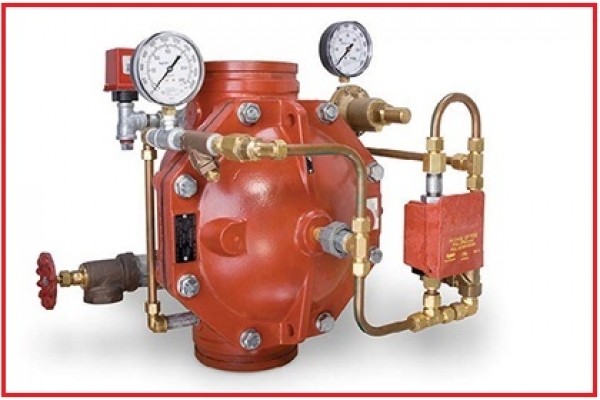
Installation Guide For Deluge Valves
25/03/2026
Deluge valves are critical components in fire protection systems, especially in high-risk areas or large-scale sprinkler networks. These valves allow rapid water discharge throughout the system upon receiving a fire signal, effectively protecting property and personnel.
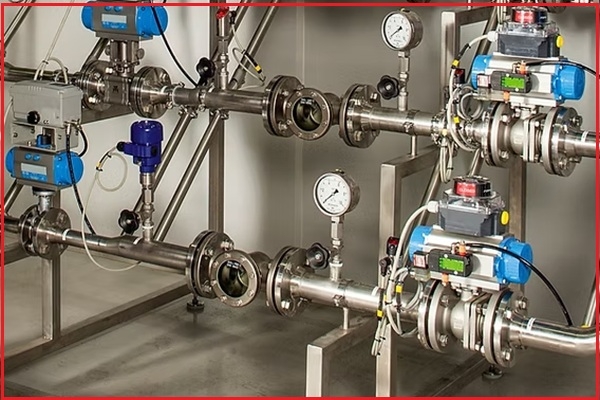
Industrial Valve Installation Guide: Proper Techniques and Important Considerations
10/05/2026
Learn the correct industrial valve installation process according to technical standards, common installation mistakes, pressure testing methods, maintenance procedures, and important considerations for pipeline valve installation to ensure safe and efficient system operation.
KSPC - Installation, Operation and Maintenance Manual
20/11/2025
Installation, Operation and Maintenance Manual for 1. BREATHER VALVE. 2. EMERGENCY VENT COVER. 3. FLAME ARRESTER. 4. GAUGE HATCH & SLOT DIPPING DEVICES. 5. N2 BLANKETING VALVE. 6. SAMPLING SYSTEM TYPE MBS-A2. 7. KSEPW MODEL - EMERGENCY VENT COVER.








Vertical Multistage Pump
Contact


AWN Dredger Pump
Contact

AMG Sand Gravel Pump
Contact

AnPump Horizontal Slurry Pump
Contact
About us

PHUC MINH ENGINEERING CO., LTD
Head Office: 92/38, No.12 St, Quarter 18, Binh Hung Hoa Ward, Ho Chi Minh City, Vietnam.
Tax Code: 0314405007
Tel: +842835352125
Fax: +842835350254
Email: info@pm-e.vn
Website: www.pm-e.vn
Quang Ngai Branch:
Address: 123/4 Vo Thi Sau, Chanh Lo, Quang Ngai, 840255, Vietnam
- Policies and regulations
- Payments
- Shipping and forwarding
- Warranty Policy
- Complaint handling process
- Exchanges and refunds
- Privacy Policy
Return Policy
Social network

.png)








Copyright © 20017 Copyright by Phuc Minh Technology Co., Ltd