



Frequently Asked Questions About Free Float Steam Traps
FREQUENTLY ASKED QUESTIONS ABOUT FREE FLOAT STEAM TRAPS
Free Float Steam Traps are premium steam traps widely used in industrial steam systems that require continuous condensate discharge and maximum energy efficiency.
These steam traps are well known for their stable operation, excellent steam sealing performance, and high heat transfer efficiency in industrial heat exchange equipment.
Below are some of the most frequently asked questions to help users better understand and properly select Free Float Steam Traps.
1. What Is a Free Float Steam Trap?
A Free Float Steam Trap is a device designed to automatically discharge condensate from a steam system without allowing live steam to escape.
The trap uses a freely floating spherical ball inside the valve body to control the opening and closing of the discharge port.
Unlike many other steam trap types, Free Float Steam Traps provide continuous condensate discharge according to actual system load conditions.
2. How Does a Free Float Steam Trap Work?
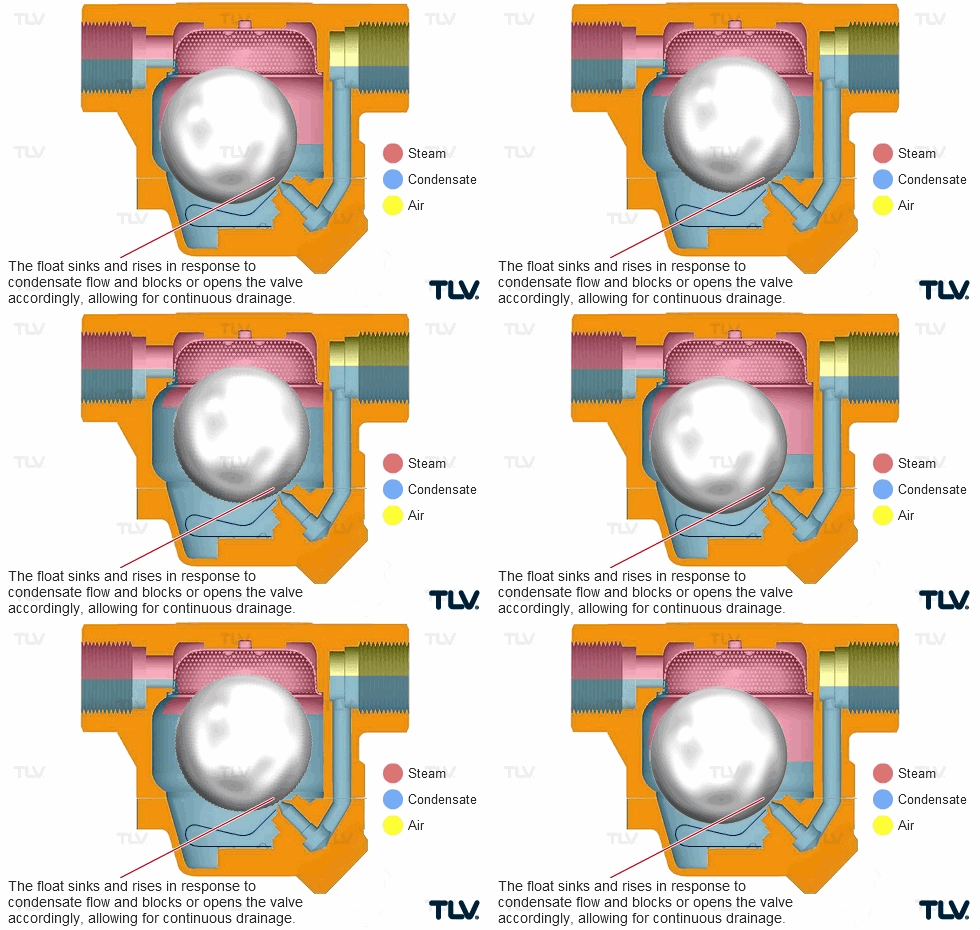
When condensate enters the trap:
- The water level inside the trap rises
- The float ball rises with the condensate level
- The discharge port opens to release condensate
When condensate volume decreases:
- The float lowers
- The discharge port closes
- Steam leakage is prevented
The operating cycle is fully automatic and continuous.
3. What Are the Advantages of Free Float Steam Traps?
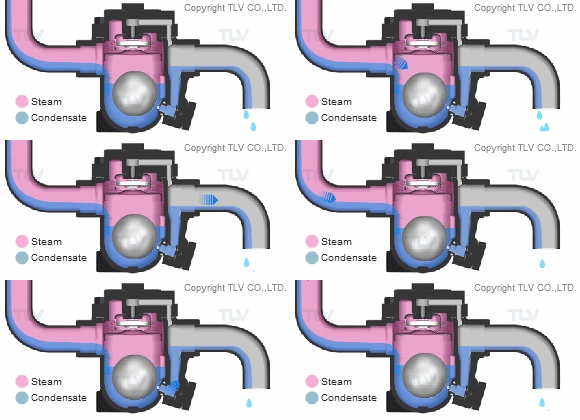
Continuous Condensate Discharge
- Helps heat exchange equipment operate more efficiently and consistently.
Energy Saving
- Excellent steam sealing minimizes steam loss.
Quiet Operation
- Does not produce loud clicking sounds like disc steam traps.
High Durability
- Simple construction with minimal wear.
Suitable for Variable Loads
- Performs efficiently even when condensate loads fluctuate continuously.
4. What Are the Disadvantages of Free Float Steam Traps?
Some limitations include:
- Higher cost compared to disc steam traps
- Larger physical size
- Sensitive to strong impact or shock
- Requires proper installation orientation
- Not ideal for systems exposed to freezing conditions
5. Where Are Free Float Steam Traps Commonly Used?
Free Float Steam Traps are commonly used in:
- Heat exchangers
- Heating coils
- Steam sterilizers
- Industrial dryers
- HVAC systems
- Food processing equipment
- Medium and low-pressure steam systems
- Pharmaceutical plants
- Food and beverage factories
6. Why Are Free Float Steam Traps More Energy Efficient?
Free Float Steam Traps offer:
- Continuous condensate discharge
- Reduced condensate accumulation
- Prevention of equipment flooding
- Improved heat transfer efficiency
Their superior steam sealing capability also minimizes steam loss during operation.
7. Should a Y-Strainer Be Installed Before a Free Float Steam Trap?
YES.
A Y-strainer helps:
- Prevent dirt and debris from entering the trap
- Protect the valve seat and float
- Reduce the risk of blockage
- Extend equipment lifespan
A typical installation includes:
- One Y-strainer before the steam trap
- Isolation valves before and after the trap for easier maintenance
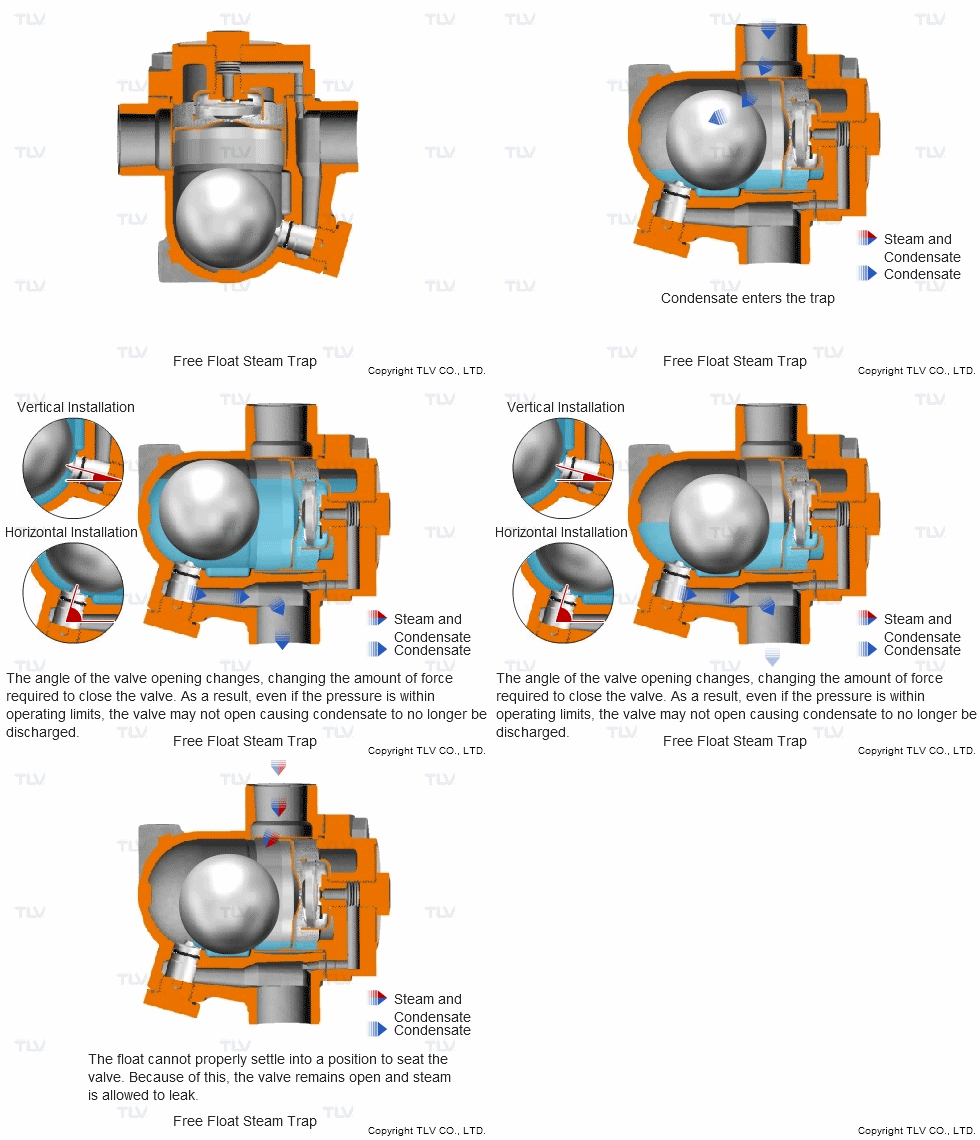
8. Should Free Float Steam Traps Be Installed Horizontally or Vertically?
Most Free Float Steam Traps are designed for horizontal installation.
Incorrect installation may cause:
- Improper float operation
- Poor condensate discharge
- Steam leakage
- Reduced equipment lifespan
Always follow the manufacturer’s installation instructions.
9. Why Does a Free Float Steam Trap Leak Steam?
Common causes include:
- Worn valve seat
- Dirt or debris inside the trap
- Damaged or punctured float
- Operating pressure exceeding design limits
- Incorrect installation orientation
Steam leakage can result in:
- Energy waste
- Higher operating costs
- Reduced system efficiency
10. How Often Should Steam Traps Be Inspected?
Generally recommended:
- Inspect every 3–6 months
- Continuous-duty systems may require more frequent inspection
Inspection methods include:
- Thermal imaging cameras
- Ultrasonic testing devices
- Temperature checks
- Condensate flow inspection
11. How to Select the Right Free Float Steam Trap?
Important selection factors include:
- Working pressure
- Condensate load
- Operating temperature
- Pipe size
- Connection type
- Valve body material
- Actual application requirements
Choosing the correct steam trap helps:
- Improve system efficiency
- Save energy
- Reduce maintenance costs
12. Which Brands of Free Float Steam Traps Are Recommended?
Popular brands include:
- TLV
- Yoshitake
- Armstrong
- Spirax Sarco
- Miyawaki
- Watson McDaniel
- VINVAL
It is recommended to choose:
- Genuine products
- Products with CO-CQ certification
- Full technical support
- Proper operating specifications
13. Does PM-E Supply Free Float Steam Traps?
PM-E specializes in supplying:
- Free Float Steam Traps
- Japanese Steam Traps
- Industrial steam valves
- Genuine steam system equipment
PM-E provides:
- Technical consultation
- Proper model selection support
- Fast quotation service
- Nationwide delivery
Conclusion
Free Float Steam Traps are highly effective solutions for steam systems that require:
- Continuous condensate discharge
- High heat transfer efficiency
- Energy savings
- Stable and quiet operation
To ensure long-term system performance, users should:
- Select the correct steam trap type
- Install the trap properly
- Perform regular maintenance
- Use genuine products
If you need assistance selecting the right steam trap for your industrial steam system, PM-E is ready to provide fast and professional technical support.
Related News
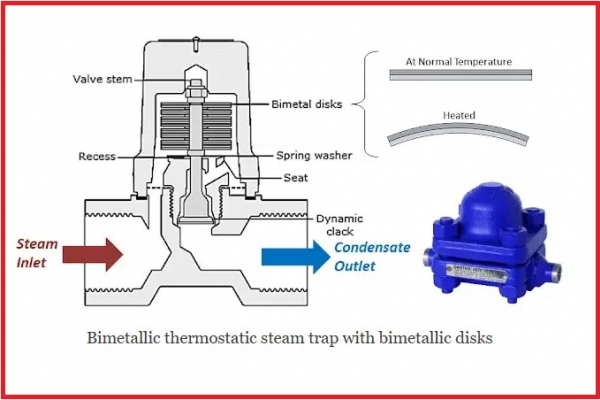
Frequently Asked Questions About Thermostatic Steam Traps
10/05/2026
Explore the most frequently asked questions about Thermostatic Steam Traps, including working principles, advantages, disadvantages, applications, installation methods, troubleshooting, and selection tips for industrial steam systems.
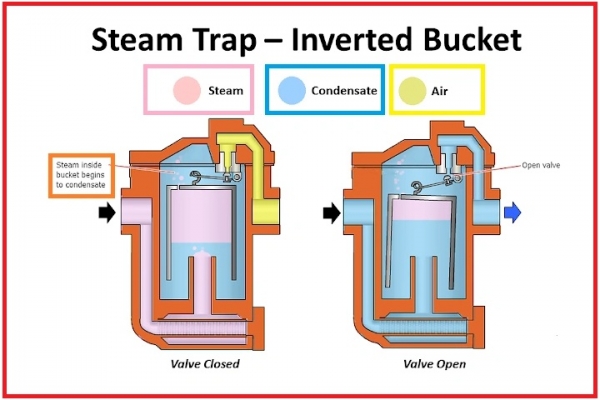
Frequently Asked Questions About Bucket Steam Traps (Bucket Trap / Inverted Bucket Steam Trap)
10/05/2026
Explore the most frequently asked questions about Bucket Steam Traps (Inverted Bucket Steam Traps), including working principles, advantages, disadvantages, applications, installation methods, troubleshooting, and selection tips for industrial steam systems.
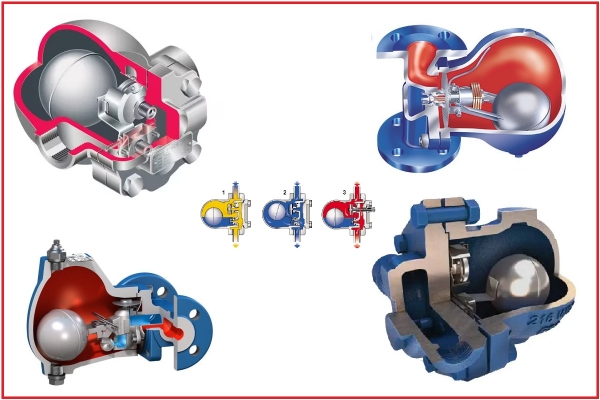
Frequently Asked Questions About Lever Float Steam Traps
10/05/2026
Discover the most frequently asked questions about Lever Float Steam Traps, including working principles, advantages, disadvantages, applications, installation methods, troubleshooting, and selection tips for industrial steam systems.
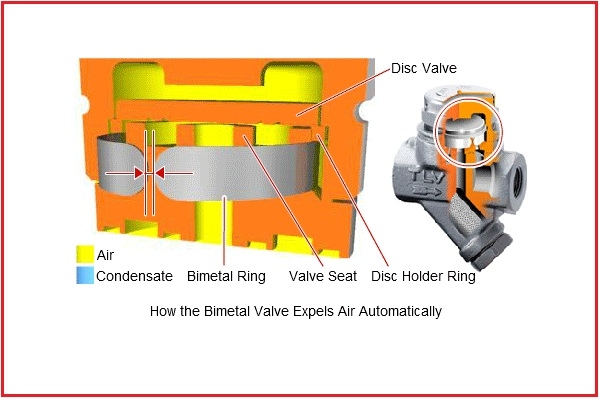
Frequently Asked Questions About Disc Steam Traps (Disc Trap / Thermodynamic Trap)
10/05/2026
Discover the most frequently asked questions about Disc Steam Traps (Disc Trap / Thermodynamic Trap), including working principles, advantages, disadvantages, installation methods, applications, troubleshooting, and selection tips for industrial steam systems.

FAQ For Plastic Valve
30/03/2026
Q: The CLEAN PVC UNION BALL VALVE I bought is not compatible with another one I have. A: ┼ The CLEAN PVC UNION BALL Valve and the UNION SOCKET come in “A-TYPE” (the old model) and “B-TYPE” (the new model). These two types are not compatible with each other. ┼ On the other hand, the SOCKET TYPE from 65A to 100A is compatible with one another. To Distinguish from A-TYPE to B-TYPE: One is stamped with FLOW, and the other is not.








Vertical Multistage Pump
Contact


AWN Dredger Pump
Contact

AMG Sand Gravel Pump
Contact

AnPump Horizontal Slurry Pump
Contact
About us

PHUC MINH ENGINEERING CO., LTD
Head Office: 92/38, No.12 St, Quarter 18, Binh Hung Hoa Ward, Ho Chi Minh City, Vietnam.
Tax Code: 0314405007
Tel: +842835352125
Fax: +842835350254
Email: info@pm-e.vn
Website: www.pm-e.vn
Quang Ngai Branch:
Address: 123/4 Vo Thi Sau, Chanh Lo, Quang Ngai, 840255, Vietnam
- Policies and regulations
- Payments
- Shipping and forwarding
- Warranty Policy
- Complaint handling process
- Exchanges and refunds
- Privacy Policy
Return Policy
Social network

.png)








Copyright © 20017 Copyright by Phuc Minh Technology Co., Ltd